Using a gas pump efficiently can save both time and money. Many drivers underestimate the importance of proper techniques at the pump. Understanding how to navigate this seemingly simple task can lead to better fuel economy and longer-lasting vehicle performance.
When approaching the gas pump, awareness is key. Adjust your fueling habits to match your vehicle's needs. Check for any guidelines on the pump, such as fuel type. Uncertainty here can lead to costly mistakes. Furthermore, ensure that you check your tire pressure regularly, as underinflated tires can increase fuel consumption.
Feeling rushed often leads to mistakes at the pump. Many drivers forget to fully insert the nozzle or select the correct fuel grade. Both can result in extra expenses. By taking a moment to reflect, you can enhance your fueling process. Adopting these practices will make your time at the gas pump more efficient and empowering.
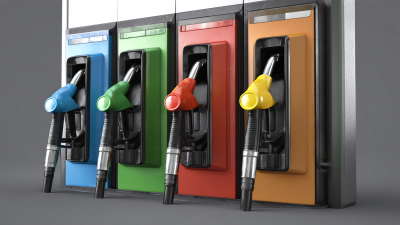
Choosing the right gasoline for your vehicle can enhance performance. Understanding fuel types is vital for optimizing your engine’s efficiency. Most vehicles run on regular unleaded gasoline. However, some engines require premium fuel. It's crucial to check your owner’s manual for recommendations.
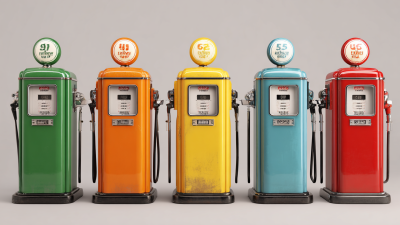
Different fuel grades have varying octane ratings. Higher octane fuels reduce engine knocking but may not improve efficiency for vehicles designed for regular fuel. Using premium fuel in a regular engine might waste money without any benefits. It’s important to reflect on your driving habits and fuel choices.
Ethanol blends are common in many regions. These can impact fuel efficiency. While E10 (10% ethanol) is often fine, higher blends may not be ideal for all engines. Consider local regulations and potential impacts on engine wear. Make an informed choice to protect your vehicle's longevity.
Pumping gas efficiently is an essential skill for drivers looking to enhance their vehicle's fuel economy. Studies indicate that a significant portion of gasoline is wasted during refueling. For instance, around 10% of fuel can evaporate on hot days if the nozzle is not used properly. To avoid this, start by turning off your engine. This simple act can prevent loss and improve overall fuel efficiency.
When filling your tank, choose optimal pumping techniques. Research shows that filling your tank slowly can reduce the chance of vapor loss. Try to keep the nozzle at a slight angle to facilitate a better flow. It’s best to stop filling when the nozzle clicks for the first time, as continuing can lead to overfilling and spillage. It's also worth noting that filling your tank in the early morning or late evening can minimize exposure to heat, leading to better fuel retention.
Reflecting on these methods reveals that many still rush through the process. Rushing can result in not only wasted fuel but also missed opportunities to save money. It's crucial to practice patience. A few extra minutes at the pump can lead to significant savings over time. Small adjustments make a noticeable difference.
| Technique | Description | Impact on Fuel Efficiency | Notes |
|---|---|---|---|
| First Fill | Fill your tank when it is about 1/4 full. | Reduces vapor lock and ensures cleaner fuel. | Avoid filling at the end of the day to minimize vapor. |
| Pump Speed | Choose a slow pump speed for filling. | Minimizes foaming, leading to better fuel delivery. | Patience can save money on fuel. |
| Nozzle Position | Keep the nozzle at a downward angle. | Helps fuel flow smoothly without creating bubbles. | Don’t raise the nozzle above the pump level. |
| Clicking Off | Stop filling when the nozzle clicks off automatically. | Prevents overfilling and excessive spill. | Wait a few seconds before removing the nozzle. |
| Temperature Control | Fill your tank in cooler temperatures. | Fuel expands in heat, resulting in less fuel per gallon. | Morning or late evening are ideal. |
Understanding fuel economy ratings is crucial for optimizing your vehicle's performance at gas pumps. The miles per gallon (MPG) metric reveals how efficiently your car consumes fuel. According to the U.S. Department of Energy, many drivers experience a drop in fuel efficiency by up to 25% when driving aggressively. By managing your driving style, you can significantly enhance overall MPG and ultimately save on fuel costs.
**Tip:** Smooth acceleration and braking are pivotal. Maintain steady speeds to stretch every drop of gasoline. Research shows that driving at 50 mph rather than 70 mph can improve fuel efficiency by 15-20%.
When you arrive at the gas station, consider your vehicle's MPG rating. A vehicle with lower MPG can benefit from a slow fill-up process. This allows vapor recovery and minimizes fuel evaporation, contributing to better efficiency. A report from the Environmental Protection Agency highlights that excessive fill-ups can lead to fuel loss through evaporation.
**Tip:** Avoid topping off after the click. It can increase emissions and waste fuel. Additionally, monitor your tire pressure regularly. Under-inflated tires can reduce fuel economy by about 10%. Maintaining optimal pressure ensures your vehicle runs efficiently. Fuel economy requires keen awareness and a willingness to adapt.
Efficient fuel use can significantly reduce emissions. When vehicles consume less fuel, they produce fewer harmful gases. This means cleaner air and a healthier environment. Small changes in fueling habits can lead to noticeable benefits. For example, keeping tires properly inflated can improve fuel efficiency.
Many drivers overlook the impact of idling. Turning off the engine during long waits can save fuel. This simple act reduces unnecessary emissions. Regular vehicle maintenance is another vital aspect. A well-tuned engine operates more efficiently. It burns fuel cleaner and produces less pollution.
However, not everyone is aware of these practices. Some might find it inconvenient to change habits. Educating ourselves and others can lead to a collective impact. Sharing knowledge about efficient fuel use can spark change in communities. As more people adopt these practices, emissions can decrease, promoting a healthier planet for future generations.
Monitoring fuel prices is crucial for efficient refueling. Prices can vary significantly from one station to another. Keeping an eye on local fuel trends helps you save money in the long run. Many apps and websites track fuel prices. Using these tools, you can identify the best times to refuel.
Tips for monitoring fuel prices:
- Check fuel price apps regularly.
- Use credit cards that offer cashback on gas purchases.
- Sign up for loyalty programs at local stations for discounts.
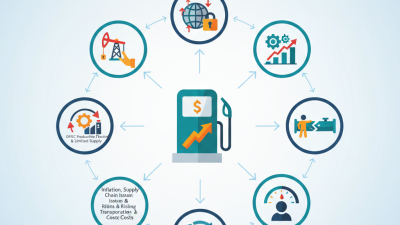
Understanding market factors is also essential. Prices may spike due to events like natural disasters or geopolitical tensions. Being aware of such changes can guide your refueling schedule. Waiting for the right moment can make a big difference in your overall spending.
Consider refueling during off-peak hours. Prices may drop when demand is lower. Experiment with different routes and stations. Sometimes, a slight detour can lead to significant savings. Regularly evaluating your fuel strategy can yield better results.