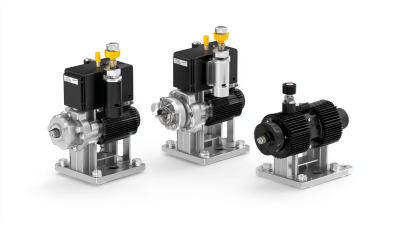
In the world of industrial fluid management, the efficiency of pumping systems is crucial. "Double diaphragm pumps have revolutionized how we handle various fluids," says Dr. Emily Carter, a renowned expert in fluid dynamics. The rise of the double diaphragm pump is no accident; it stems from significant advantages over traditional pumping methods.
Double diaphragm pumps excel in handling viscous, abrasive, and corrosive materials. Their unique design allows them to function without electric motors. This feature significantly enhances safety in hazardous environments. Moreover, these pumps can handle a variety of fluid types, making them versatile tools across industries.
However, while double diaphragm pumps offer these benefits, they are not without challenges. Maintenance can be demanding, and users must ensure proper installation. Investing in training is essential for operators to fully capitalize on the pump's capabilities. Understanding these nuances is crucial for maximizing pump performance, thus ensuring the best outcomes in industrial applications.
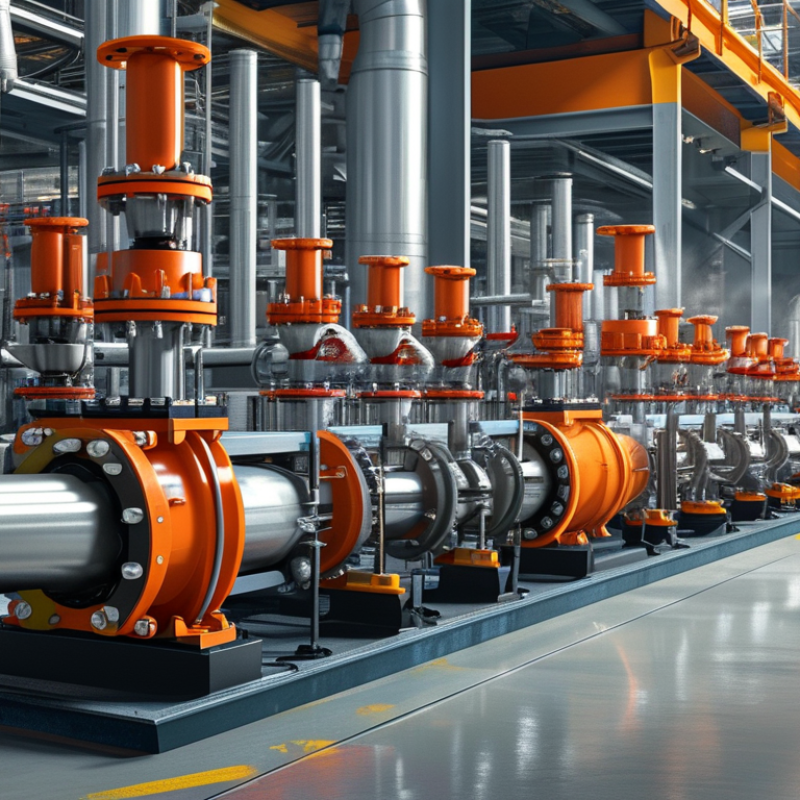
Double diaphragm pumps are becoming essential in various industries. They offer unique advantages that can optimize processes. These pumps are known for their reliability in handling corrosive fluids. This feature makes them a favorite in the chemical manufacturing sector.
One of the most significant benefits is their ability to self-prime. This characteristic avoids cavitation issues, ensuring smooth operation. They are also versatile, capable of moving both high-viscosity and low-viscosity liquids. This versatility caters to multiple applications, from food processing to wastewater management. Their design allows for easy maintenance, which is crucial for preventing downtime.
However, not everything is perfect. Some operators report that double diaphragm pumps can pulsate in fluid delivery. This issue may require additional components to smooth flow. Additionally, the initial investment may seem high for smaller operations. Balancing these aspects is vital for achieving maximum efficiency in operations. Understanding these factors can enhance decision-making in pump selection.
Double diaphragm pumps are gaining attention for their ability to enhance efficiency and performance in various industrial applications. Their design allows for smooth fluid transfer with minimal leakage. This results in less waste and improved operational cost-effectiveness. Users often notice a significant reduction in maintenance needs, which translates to lower downtime.
Moreover, double diaphragm pumps handle abrasive and viscous liquids well. Their ability to manage different fluids without compromising performance is impressive. Many industries rely on this versatility, as it enables them to streamline processes. However, some users find the initial setup complex. Proper training is essential to maximize their potential.
Operating conditions can present challenges. For example, pulsation can affect flow consistency. Some processes may require additional dampening solutions to address this issue. Users should monitor these aspects closely. Continuous assessment of performance will ensure successful integration into operations.
Double diaphragm pumps stand out in industrial applications for their remarkable safety features. A notable advantage is their leak-free operation. According to a report by the Fluid Handling Association, around 60% of chemical spills in industries are due to pump failures. Double diaphragm pumps significantly reduce this risk. Their design prevents fluid leakage, safeguarding both operators and the environment.
Another impressive feature is their ability to handle abrasive and viscous materials without compromising safety. This versatility is crucial in industries like mining, where hazardous materials are prevalent. Data from the American Pump Manufacturers Association (APMA) indicates that using double diaphragm pumps can lower workplace accidents by 25%. This reduction highlights the pump’s role in creating safer work environments.
Furthermore, these pumps come equipped with built-in pressure relief systems. This innovation prevents over-pressurization, a common issue that leads to pump ruptures. Regular maintenance, however, is still necessary, as neglected pumps could develop issues. Overall, while double diaphragm pumps are not flawless, their enhanced safety features provide valuable benefits in high-risk industrial settings.
| Benefit | Description | Impact on Safety |
|---|---|---|
| Reduced Risk of Leaks | Double diaphragm systems minimize leak paths, ensuring safer operation. | Enhances workplace safety by preventing hazardous fluid exposure. |
| Self-Priming Capability | Can draw fluid without needing external assistance, reducing operational risks. | Less manual handling of fluids mitigates accidents. |
| Dry Run Capability | Can operate without fluid without damage, ensuring reliability. | Prevents equipment failure during unexpected conditions. |
| Versatile Applications | Suitable for a variety of fluids, including corrosive and viscous materials. | Allows safe handling of hazardous substances. |
| Low Maintenance Needs | Fewer moving parts reduce maintenance frequency and costs. | Lower maintenance minimizes exposure to potential hazards. |
| Energy Efficiency | Optimized for lower energy consumption while maintaining performance. | Reduced energy costs contribute to a safer environment through lower emissions. |
| Smooth Flow Control | Provides consistent flow rates with minimal pulsation. | Enhanced control helps in managing hazardous processes safely. |
| Environmentally Friendly | No oil or lubrication needed, reducing contamination risk. | Protects the environment and worker safety. |
| Compact Design | Space-saving footprint fits in tight areas. | Minimizes risks in congested work areas. |
| User-Friendly Operation | Simple operation and control for diverse users. | Reduces errors and improves safety standards. |
Double diaphragm pumps stand out for their versatility in handling various fluids across different industries. These pumps effectively manage everything from water and slurry to viscous chemicals. Such adaptability makes them invaluable in environments where fluid composition varies. Their design allows them to easily switch between fluids without the need for extensive modifications, simplifying operations and reducing downtime.
Compatibility with diverse fluids is a key benefit. For instance, double diaphragm pumps can handle shear-sensitive products without damaging them. This is crucial in sectors like food and pharmaceuticals, where product integrity is paramount. Additionally, the ability to pump abrasive materials gives these pumps an edge in industrial applications. However, one must reflect on the maintenance required. Regular checks are essential to ensure optimal performance and avoid potential failures.
While the advantages are clear, challenges remain. Operators should be cautious about using these pumps with fluids that contain gas or solids. Improper usage can lead to inefficiencies. Choosing the right pump for specific applications is crucial; hence, operators should always consider their unique needs and fluid properties.
Double diaphragm pumps are known for their efficiency and reliability in various industries. When it comes to cost-effectiveness, they stand out. Their design minimizes wear and tear, reducing long-term maintenance costs. By using less energy while pumping, companies can save significantly on utility bills. This initial investment pays off quickly.
Maintenance also requires less frequent attention. The simplicity of their design means fewer moving parts. This translates to lower chances of mechanical failure. Frequent maintenance is burdensome, but these pumps ease that pressure. Regular checks can increase their lifespan without high repair costs.
However, not all situations are ideal for double diaphragm pumps. They may not perform well in every application, especially under extreme conditions. Businesses need to assess their specific needs. This consideration can prevent unexpected challenges down the line. Balancing cost savings and application suitability is crucial for success.