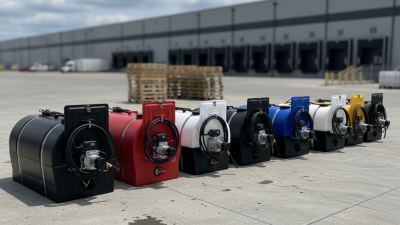
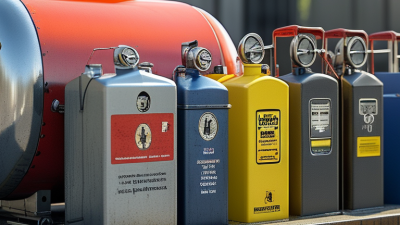
Best Diesel Transfer Tank with Pump Options for Your Needs?
Choosing the right diesel transfer tank with pump is crucial for efficiency. These tanks help transport diesel fuel safely and easily. They are essential for various industries, from agriculture to construction.
When selecting a diesel transfer tank with pump, consider your specific needs. Size, material, and pump capacity play important roles. Quality matters; reliable brands are a must to ensure safety and durability. However, cost can sometimes overshadow these important factors. Cheaper options may lead to issues down the road, like leaks or pump failures.
It’s essential to weigh your options carefully. A diesel transfer tank with pump should meet both your needs and budget. Research can reveal a lot about a product’s performance. User reviews and expert insights can guide your decision. Remember, investing in a good tank means fewer headaches later on. Always prioritize safety and functionality over price alone.
Understanding the Purpose and Benefits of Diesel Transfer Tanks
Diesel transfer tanks offer a practical solution for various needs, especially for those who rely on diesel fuel for machinery or vehicles. These tanks not only enhance convenience but also improve safety. They allow for easy fuel transfer and storage, minimizing the risk of spills and accidents. Understanding their design and features can help you choose the right option for your specific requirements.
For proper usage, consider the following. Always ensure your tank complies with regulations in your area. Regular maintenance of both the tank and the pump is crucial. A clean tank prevents contamination of the diesel. Furthermore, inspect the pump periodically to avoid any unexpected breakdowns.
Safety is paramount while handling diesel. Make sure you have proper ventilation in the area where you will be transferring fuel. Keep an eye on the connections to prevent leaks. When storing the tank, place it on stable ground and away from direct sunlight. Proper setup and maintenance can significantly prolong the lifespan of your diesel transfer tank.
Key Features to Look for in a Diesel Transfer Tank with Pump
When choosing a diesel transfer tank with a pump, several key features will enhance your experience. First, consider the tank's capacity. Tanks come in various sizes, from 30 gallons to over 100 gallons. The right capacity depends on your specific needs. Larger tanks may be more convenient for frequent use but can be more challenging to transport.
Next, the material of the tank matters. Tanks made from high-grade steel or durable polyethylene offer better resistance to impact and corrosion. Lightweight models are easier to handle, but they may not be as rugged. Additionally, check for safety features such as vents and overfill protection. These can prevent spills and protect the environment.
Lastly, the pump itself is crucial. Look for one with a reliable flow rate. A good flow rate can save time during refueling. The power source of the pump is also essential. Electric pumps tend to offer more convenience, while manual pumps can be used in emergencies. Always ensure that the equipment complies with safety standards to minimize the risk of accidents during use.
Top Brands and Models of Diesel Transfer Tanks for Various Needs
When selecting a diesel transfer tank, it’s crucial to understand the specific needs you have. The market offers various brands and models designed to cater to different requirements. Industry data shows that over 70% of consumers prefer portable tanks due to their convenience and versatility. A roughly 100-gallon capacity is common for many users, balancing transportability and flexibility.
Quality matters. An investment in a reliable tank enhances safety and efficiency. Look for tanks constructed from rust-resistant materials. A report by the National Association of Fuel Oil Dealers suggests investing in tanks compliant with regulations can save users an average of 20% on insurance costs. Design features like integrated pumps and flow meters offer added value.
Consider user feedback and ratings for your decision. While some tanks boast high transfer rates, others may lack essential safety features. It's important to evaluate both performance and safety. An effective transfer tank should not only meet your needs but also adhere to industry standards. Keep in mind your specific use case, whether it's for agriculture or commercial purposes. Your chosen tank will have an immediate impact on your operations.
Safety Considerations When Using Diesel Transfer Tanks
When using diesel transfer tanks, safety should be your top priority. Diesel fuel is flammable and can pose significant hazards if not handled correctly. Ensure you work in a well-ventilated area to minimize the risk of fumes accumulating. It's crucial to use appropriate personal protective equipment, such as gloves and goggles, to protect yourself from spills and splashes.
Regular inspection of the transfer tank is vital. Check for leaks or damage before each use. If there are visible signs of wear, avoid using the tank until it has been repaired or replaced. Understand the weight capacity of your tank when transporting fuel. Overloading can lead to accidents or spills that pose a threat to both you and the environment. Consider implementing spill containment measures, such as absorbent mats, to catch any unintended leaks.
Storing diesel safely is also essential. Keep the tank in a cool, secure location away from heat sources and direct sunlight. Follow local regulations regarding storage to ensure compliance and safety. When transferring fuel, use designated pumps to avoid potential hazards. Manual handling introduces risks, such as spills and leaks, which can have serious consequences. Every precaution matters in maintaining safety while using diesel transfer tanks.
Best Diesel Transfer Tank with Pump Options for Your Needs? - Safety Considerations When Using Diesel Transfer Tanks
| Tank Capacity |
Pump Type |
Flow Rate (GPM) |
Material |
Safety Features |
| 50 Gallons |
Electric |
15 GPM |
Steel |
Overflow Vent, Security Lock |
| 110 Gallons |
Manual |
10 GPM |
Polyethylene |
Anti-Siphon System, Secure Cap |
| 200 Gallons |
DC Electric |
20 GPM |
Aluminum |
Automatic Shut-Off, Grounding Strap |
| 500 Gallons |
Pneumatic |
30 GPM |
Steel |
Emergency Shut-Off, Spill Containment |
Maintenance Tips for Long-lasting Diesel Transfer Tanks and Pumps
Maintaining a diesel transfer tank with a pump requires attention to detail. Regular maintenance can enhance its lifespan and efficiency. Studies indicate that proper care can extend equipment life by up to 30%. One common issue is sediment buildup, which can block filters and affect pump performance. It's advisable to check filters often and replace them when necessary.
For optimal operation, always keep the tank clean. Remove any debris and inspect for rust or corrosion. This is especially crucial in varying weather conditions, which can accelerate deterioration. Remember, tanks should be inspected at least every six months. Additionally, ensure hoses and connections are tight to prevent leaks. Small leaks can lead to bigger problems over time.
Another vital aspect is monitoring fuel quality. Contaminated fuel can cause severe damage to the engine. Use biocides and filtration systems to keep the fuel clean. Transporting diesel requires vigilance, as improper handling can result in environmental hazards. Awareness is key to preventing accidents and ensuring safe operations.