Best Liquid Ring Vacuum Pump for Industrial Applications?
In industrial settings, the choice of a reliable vacuum system is crucial. Liquid ring vacuum pumps stand out due to their efficiency and versatility. According to a report by Market Research Future, the global liquid ring vacuum pump market is projected to grow at a CAGR of 4.3% from 2021 to 2027. This growth reflects increasing demand across various sectors, including food processing, pharmaceuticals, and chemical manufacturing.
Dr. John Carter, a renowned expert in vacuum technology, emphasizes, “The liquid ring vacuum pump is pivotal for efficient vacuum applications in industry.” This highlights its importance in maintaining operational integrity. The liquid ring design minimizes wear and energy consumption, ensuring longevity. However, there are challenges. Not all applications suit this pump type, requiring careful evaluation. Users must consider factors like application specifics and maintenance needs.
In some cases, a liquid ring vacuum pump may not perform best under extreme conditions. There are reports showing operational inefficiencies at very high altitudes or variable temperatures. These insights necessitate a deep understanding of both the technology and its application landscape. Thus, while liquid ring vacuum pumps offer distinct advantages, the need for a tailored approach remains undeniable.
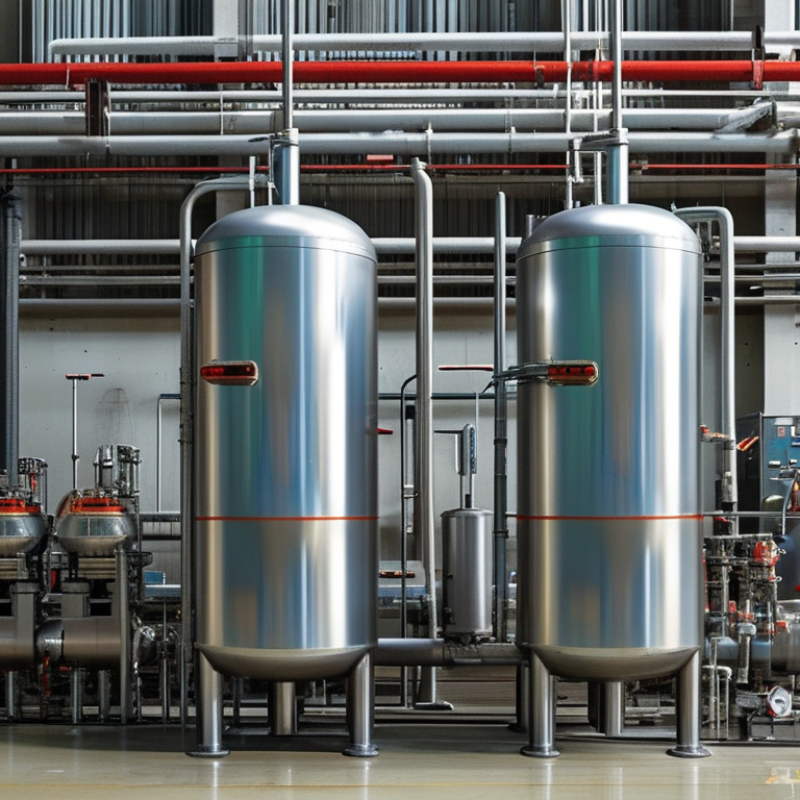
Types of Liquid Ring Vacuum Pumps Used in Industrial Settings
Liquid ring vacuum pumps are essential in many industrial processes. They operate on a simple principle: a rotating impeller creates a liquid ring that seals gas pockets, enabling efficient vacuum generation. This design provides several advantages, such as low maintenance and reliability. However, choosing the right type requires understanding specific applications.
There are various types of liquid ring vacuum pumps used in industrial settings. The single-stage and multi-stage pumps are common options. Single-stage pumps are typically efficient for applications with a low vacuum requirement. They are easier to maintain and have a straightforward design. In contrast, multi-stage pumps excel in delivering higher vacuum levels and can handle larger volumes of gas. However, they may require more complex maintenance procedures and additional resources.
Another type is the corrosion-resistant liquid ring pump. This pump is designed for industries that handle aggressive chemicals. Their materials can withstand harsh environments, which is critical for maintaining performance. Yet, this added durability can drive up costs, and industries must carefully consider the trade-offs. Selecting the right type demands a deep understanding of operational conditions and future needs.
Key Features to Consider When Selecting a Liquid Ring Vacuum Pump
Choosing the right liquid ring vacuum pump is crucial for industrial applications. Key features greatly influence performance and efficiency. When evaluating options, consider the pump's maximum vacuum, flow rate, and tolerance to liquid contamination. A report by the International Vacuum Technology Association states that optimal flow rates enhance operational efficiency, making it essential to align specifications with application requirements.
Energy consumption is another important aspect. Smaller pumps consume less energy but may not meet higher demand scenarios. A balance of power needs and energy efficiency is vital. Industry statistics reveal that companies can improve energy efficiency by up to 30% with the right pump selection.
Tips for selecting a liquid ring vacuum pump include assessing the pumping speed relative to your process requirements. A versatile pump design can accommodate changes in system demands. Additionally, consider the maintenance requirements and parts availability to ensure reliability. Opt for pumps with modular designs for easier repairs. Lastly, check the manufacturer's performance data and seek expert opinions to avoid suboptimal choices.
Best Liquid Ring Vacuum Pump for Industrial Applications
| Feature |
Description |
Importance |
| Capacity |
The volumetric flow rate the pump can handle. |
Critical for meeting application demands. |
| Operating Pressure |
The pressure range within which the pump can function efficiently. |
Ensures optimal performance and prevents damage. |
| Fluid Type |
Type of liquid used in the vacuum pump. |
Affects maintenance and compatibility with specific applications. |
| Energy Efficiency |
How efficiently the pump converts energy into vacuum power. |
Important for reducing operational costs. |
| Maintenance Requirements |
Frequency and ease of maintenance needed for optimal operation. |
Increases reliability and longevity of the pump. |
| Noise Level |
The sound level produced during operation. |
Affects working environment and compliance with regulations. |
| Material Construction |
Materials used in the construction of the pump. |
Affects durability and resistance to chemical exposure. |
Advantages of Liquid Ring Vacuum Pumps for Industrial Applications
Liquid ring vacuum pumps have become essential in various industrial applications due to their unique advantages.
These pumps utilize liquid, often water, to create a vacuum. According to a recent industry report by Research and Markets,
the global liquid ring vacuum pump market is projected to grow significantly, driven by demand in the chemical and food processing sectors.
The key benefits of using these pumps include their ability to handle condensable vapors and liquids,
which enhances reliability in many processes.
The operational efficiency of liquid ring vacuum pumps is noteworthy.
These pumps can maintain consistent performance, even in harsh conditions.
They operate quietly and have fewer moving parts, resulting in reduced maintenance requirements.
Data from various engineering studies indicate that liquid ring vacuum pumps can achieve high flow rates and create deep vacuum levels without risking contamination.
This reliability is critical in industries where product integrity is essential.
However, it is important to consider their limitations.
While these pumps are efficient, they may struggle with volatile applications.
The energy consumption can also be higher than expected in certain conditions.
Considering these factors helps industries make informed choices.
Ultimately, the versatility and advantages of liquid ring vacuum pumps make them a compelling option for many applications.
Maintenance Best Practices for Liquid Ring Vacuum Pumps
Liquid ring vacuum pumps are essential in many industrial applications. Proper maintenance is key to ensuring their efficiency and longevity. Regular inspections can help identify issues early. Check for leaks and verify seals frequently. These actions can prevent costly downtime and repair.
Routine maintenance should include fluid checks. The liquid ring operates on a specific fluid level. Low levels can lead to overheating and decreased performance. It's advisable to replace the fluid as indicated by the manufacturer’s guidelines. Clean any filters and strainers as necessary. This prevents dirt and debris from affecting the pump’s operation.
Operator training is crucial. Operators must understand how the pump functions. Regularly review operation protocols to minimize mistakes. Documentation of maintenance activities is also important. This not only aids in compliance but also helps track performance trends. A systematic approach to maintenance can greatly enhance reliability. Reflect on past maintenance records; learn from any oversights.
Applications and Industries Utilizing Liquid Ring Vacuum Technology
Liquid ring vacuum pumps are becoming essential in various industries, due to their efficiency and versatility. These pumps excel in applications requiring moderate vacuum levels and are commonly used in sectors like food processing, pharmaceuticals, and chemical manufacturing. Data from the Vacuum Technology Association shows that the liquid ring vacuum market has experienced a growth rate of approximately 6% annually, driven by increasing demand for energy-efficient solutions.
Liquid ring pumps perform well in humid and corrosive environments. This makes them suitable for applications in wastewater treatment and pulp and paper industries. In these settings, they handle vapors and condensate effectively. However, their performance can decrease when operated under the wrong conditions. Proper maintenance is essential for optimal operation.
When selecting a liquid ring vacuum pump, consider the specific requirements of your application. Evaluate the necessary vacuum level, airflow rates, and the nature of the gases involved. It’s crucial to assess compatibility with existing systems. Understanding the nuances of your industry's needs can prevent inefficiencies. Regularly review and adjust your processes for continuous improvement in performance.