How to Choose the Best Diesel Transfer Pump for Your Needs?
When selecting a diesel transfer pump, various factors come into play. The global diesel pump market is projected to reach $XX billion by 2030, reflecting growing demand in sectors like agriculture and construction. Choosing the right pump ensures efficiency and reliability in fuel handling, which is vital for operations.
Operators must consider pump flow rates, power sources, and storage compatibility. Many users prioritize economic efficiency, yet they might overlook features that enhance safety and performance. In recent surveys, nearly 40% of users reported dissatisfaction due to inadequate pump capacity. This highlights the need for informed decisions when purchasing a diesel transfer pump.
Moreover, the choice of materials affects the durability of pumps in different environments. For example, pumps designed with corrosion-resistant materials outperform others in harsh conditions. Understanding these details can prevent future operational losses. Reflecting on personal experiences can guide better choices, ensuring that the selected pump meets specific needs.
Understanding Diesel Transfer Pumps: Types and Functions
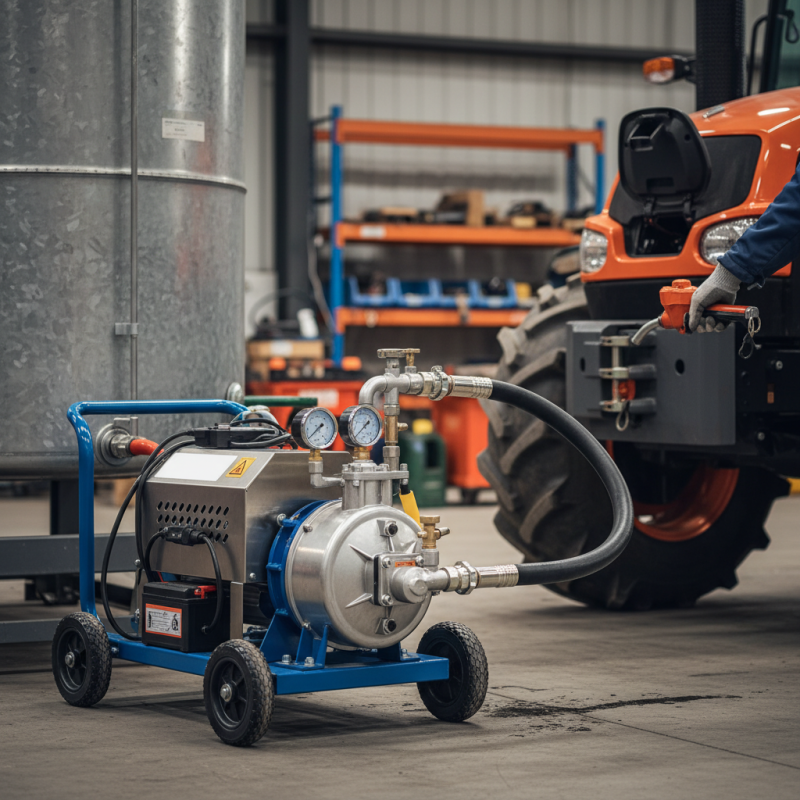
When selecting a diesel transfer pump, understanding the types and their functions is crucial. There are primarily three types: rotary pumps, diaphragm pumps, and centrifugal pumps. Each serves different purposes, from transport to fueling. Rotary pumps, for instance, are known for high viscosity fuel transfer. They can handle thicker fuels but may require more maintenance.
Diaphragm pumps are versatile. They can move fuel, oils, and even chemicals. These are often simpler to operate but can struggle under high pressure.
Centrifugal pumps are widely used for their efficiency. They are suitable for transferring large volumes quickly. However, they tend to be less effective with high-viscosity fluids. According to a report by the International Energy Agency, global diesel consumption is expected to rise by 3% in the next decade. This means the demand for reliable pump systems will increase. Understanding your specific needs, such as flow rate and fuel type, is essential.
Not all pumps are created equal, and selecting one can be daunting. Users might overlook potential maintenance needs that vary between models. For example, while some pumps boast durability, they may need regular part replacements. Ignoring these aspects can lead to future complications. A smart choice balances capability and upkeep, reflecting a thorough understanding of your requirements.
Assessing Your Fuel Transfer Requirements and Applications
When selecting a diesel transfer pump, assessing your fuel transfer needs is essential. Consider the required flow rate. For example, a typical diesel transfer pump offers rates between 10 to 50 gallons per minute. This variation can impact your efficiency. Know your application's specifics to match the pump capabilities.
Next, think about the environment where you will use the pump. Outdoor operations may require weatherproof features. According to industry surveys, about 30% of users report difficulties due to environmental factors. Make sure your pump can withstand the conditions.
Tip: Always check the pump’s compatibility with different fuel types. Mismatched fuels can lead to damage or reduced performance.
Consider ease of transport. If you need to move the pump frequently, it should be lightweight. Many users overlook this aspect. A cumbersome unit can slow down operations.
Tip: Look for pumps with storage features to minimize the risk of leaks. Safety should always be a priority.
Reflecting on your needs before purchase can save time and money. Understanding flow rates, environmental factors, and transportability is key. Analyze the specifics to make a well-informed choice.
Key Features to Look for in a Diesel Transfer Pump
When choosing a diesel transfer pump, it's essential to focus on key features. First, consider the pump’s flow rate. This determines how quickly you can transfer fuel. A higher flow rate means less waiting time. Look for models that offer adjustable flow rates. This gives you flexibility based on your needs.
Another vital feature is the material of the pump. Durability matters. Materials should resist corrosion and wear. For instance, aluminum and certain plastics can be good options. Ensure the pump is designed for diesel specifically. Not all pumps are suitable for this type of fuel.
Tips: Always check the power source of the pump. Electric pumps are convenient but require access to electricity. In contrast, manual pumps give more independence but can be labor-intensive. Consider where you plan to use the pump. Indoor and outdoor use might require different specifications.
Lastly, think about the safety features. Automatic shut-off systems are essential. They prevent spills and accidents. Don't overlook the hose length as well. A longer hose offers more maneuverability, but can also lead to unwieldy setups. Assess the balance between convenience and practicality carefully.
How to Choose the Best Diesel Transfer Pump for Your Needs? - Key Features to Look for in a Diesel Transfer Pump
| Feature |
Description |
Importance |
| Flow Rate |
The volume of diesel transferred per minute, typically measured in gallons per minute (GPM). |
High flow rate for quicker refueling operations. |
| Power Source |
Electric, manual, or gasoline-powered options available for different operational needs. |
Select according to availability of power supply and mobility requirements. |
| Portability |
Design features that make it easy to transport, such as weight and handle type. |
Essential for use in multiple locations or job sites. |
| Durability |
Construction materials that ensure long-lasting performance under heavy use. |
Critical for reliability, especially in tough work environments. |
| Safety Features |
Incorporated mechanisms such as automatic shut-off valves to prevent spills and accidents. |
Important for compliance with safety regulations and protection. |
Evaluating Pump Performance: Flow Rate and Pressure Considerations
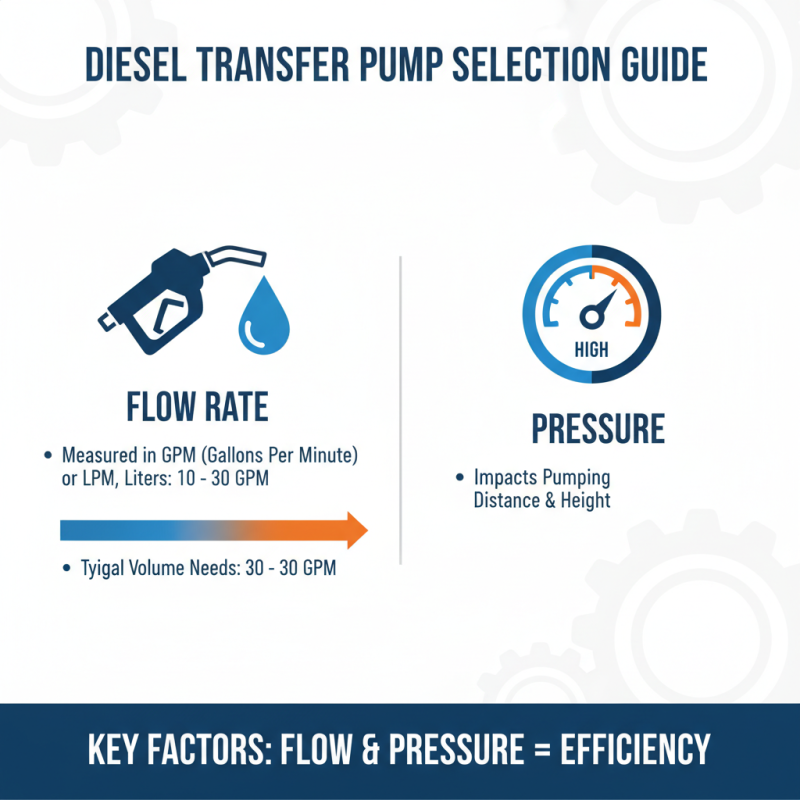
When evaluating diesel transfer pumps, flow rate and pressure are key factors. A pump’s flow rate is measured in gallons per minute (GPM) or liters per minute (LPM). For instance, a typical diesel transfer pump offers a flow rate between 10 GPM and 30 GPM. This can significantly impact operational efficiency. If you’re pumping large volumes, seek options closer to the higher end of the spectrum.
Pressure considerations also play a pivotal role. The pressure, measured in pounds per square inch (PSI), affects the pump's capability to move diesel against resistance. A pump with higher PSI can handle more rigorous tasks, especially in adverse conditions. Some reports indicate that pumps with 50 PSI are effective for most common applications, providing a balance of speed and efficiency.
However, not all pumps are suited for every task. Misjudging the flow rate can lead to bottlenecks. Some users overestimate their needs, only to face frustrating delays. Always consider your specific requirements. Choose a pump that matches both your flow rate and pressure needs. Assess what you truly need for your operations.
Maintenance Tips for Longevity and Efficiency of Diesel Pumps
Maintaining a diesel transfer pump is essential for its longevity and efficiency. Regularly check the fuel filters. Clogged filters can lead to pump failure. Replace them according to the manufacturer's guidelines. Neglecting this can result in poor performance over time.
Inspect the hoses and connections frequently. Look for signs of wear or leaks. A small crack can cause significant issues. Consider using high-quality clamps to secure connections. This simple step can prevent unexpected leaks and ensure smooth operation.
Keep the pump clean and free from debris. Dust and dirt can enter the system and affect its efficiency. A quick wipe-down after each use can make a big difference. Also, check the oil levels regularly. Low oil can lead to overheating and serious damage. Staying attentive will help you avoid costly repairs later on.
Diesel Transfer Pumps Performance Comparison