How to Choose the Right Diesel Tank for Your Needs?
Choosing the right diesel tank is crucial for your operations. A suitable diesel tank ensures efficiency and safety in fuel storage. With various options available, it’s easy to get overwhelmed.
You need to consider size, material, and features. Each factor influences the tank's performance and durability. For example, a larger tank may mean fewer refills, but it requires more space. A well-built tank prevents leaks and contamination, protecting your investment.
Make informed decisions by evaluating your needs. Reflect on your usage patterns and environmental factors. Addressing these elements will help you select a tank that truly fits your requirements. Prioritize quality to avoid potential hazards down the line. An ideal diesel tank balances practicality and reliability, supporting your fuel needs.
Factors to Consider When Selecting a Diesel Tank
Choosing the right diesel tank requires careful analysis of several important factors. Start by considering your storage needs. How much diesel will you need on a regular basis? Small construction sites may need a tank that holds 500 gallons, while larger operations might require capacities up to 10,000 gallons. Think about your future needs too. Will your consumption increase?
Location is another critical element. Choose a spot that allows easy access for refueling. However, be aware of local regulations about tank placement. Sometimes, a “perfect” location can become a hassle if regulations are overlooked. It's wise to consult with experts about local zoning laws and requirements.
When selecting a tank, also evaluate the material. Steel tanks are durable but can rust. Fiberglass tanks resist corrosion but can be more expensive. Ultimately, the decision should reflect both your immediate budget and long-term maintenance costs. Be prepared to reevaluate your choice over time. What works today might not meet your needs tomorrow.
Factors to Consider When Selecting a Diesel Tank
This bar chart illustrates the factors to consider when selecting a diesel tank. The importance level is rated on a scale of 1 to 10, highlighting the key aspects such as capacity, durability, portability, cost, and regulatory compliance.
Understanding Different Types of Diesel Tanks Available
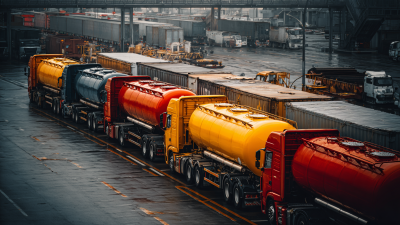
When selecting a diesel tank, understanding the different types available is crucial. There are mainly three categories: portable tanks, stationary tanks, and integrated tanks. Portable tanks cater to those needing flexibility. They enable mobility, with sizes ranging from 10 to 100 gallons. According to the National Fire Protection Association (NFPA), these tanks require adherence to specific safety standards to prevent spillage and accidents.
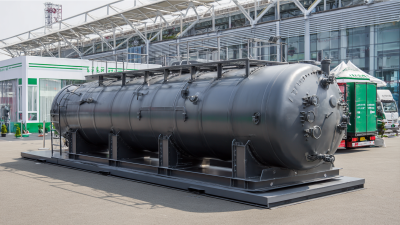
Stationary tanks are suited for larger operations. These tanks can hold thousands of gallons, often seen at construction sites or fueling stations. Research by the American Petroleum Institute indicates that proper installation and regular maintenance are vital for these tanks to function safely and efficiently. A well-maintained stationary tank can significantly reduce the risk of leaks, which account for up to 10% of diesel losses, according to industry reports.
Integrated tanks offer a self-contained solution with built-in pumps and filtration systems. They simplify the refueling process and minimize contamination risks. However, prospective users must consider the initial investment and ongoing maintenance costs. Data reveals that roughly 30% of operators underestimate these expenses, leading to operational delays. Understanding these types and their implications helps in making a more informed decision when choosing a diesel tank.
Assessing Your Storage Capacity and Space Requirements
Choosing the right diesel tank starts with understanding your storage capacity and space requirements. Assess your needs carefully, as this decision can have significant implications for safety and efficiency. According to industry reports, effective storage solutions can reduce fuel loss by up to 30%. This statistic emphasizes the importance of having an appropriately sized tank.
Consider the available space you have for installation. Is it indoors or outdoors? Indoor tanks need to comply with stricter regulations regarding ventilation and safety. Outdoor tanks require weather resistance features. Data suggests that over 60% of storage issues arise from poorly planned spaces. It's crucial to measure dimensions thoroughly, leaving extra room for movement and maintenance.
Evaluate your fuel consumption habits too. A small operation may need only a 500-gallon tank. However, larger enterprises might require several thousand gallons. Experts note that the frequency of refueling can affect overall costs. An oversized tank could lead to fuel degradation if not managed properly.
Reflect on these factors carefully. The balance between tank size and space is essential for optimal performance. Remember, the right diesel tank not only meets your immediate needs but also supports long-term operational efficiency.
Evaluating Safety Features and Regulations for Diesel Tanks
When choosing a diesel tank, safety is a major concern. Understanding safety features is essential. Tanks must comply with regulations that vary across different regions. According to the American Petroleum Institute (API), proper labeling and ventilation are crucial. Tanks should be equipped with overfill protection systems. These features help avoid spills and environmental hazards.
There are also regulations impacting tank installation and usage. For instance, the Environmental Protection Agency (EPA) emphasizes the importance of spill prevention and secondary containment. Reports suggest that improper installations lead to safety breaches 30% of the time. Installing double-walled tanks can mitigate this risk.
Regular inspections are vital for maintaining tank integrity. The Steel Tank Institute recommends inspections every five years. This monitoring helps identify leaks before they escalate. Educating your team about safety protocols can enhance compliance. However, often organizations overlook training. This gap in knowledge can lead to safety lapses, making it crucial for companies to prioritize ongoing education.
Cost Analysis: Budgeting for Your Diesel Tank Purchase
Buying a diesel tank is a significant investment. When analyzing costs, consider several aspects beyond the initial price. Determine the tank size based on your fuel consumption needs. Larger tanks might seem more economical but can lead to higher costs and space requirements. Smaller options may have lower upfront costs, but consider refueling frequency and associated logistics.
Additionally, assess installation and maintenance costs. Some tanks require specific equipment or professional installation, which adds to your budget. Don’t overlook potential repair costs linked to durability. Investing in a higher-quality tank might alleviate future expenses. It's essential to balance initial expenditure with long-term reliability and performance to avoid regret.
Lastly, consider any regulatory requirements. Compliance can affect your overall budget. Failing to account for these can lead to fines or necessary modifications. It is crucial to research thoroughly and evaluate your choices. Reflect on your specific needs to make a well-informed decision that aligns with your budget constraints.
How to Choose the Right Diesel Tank for Your Needs? - Cost Analysis: Budgeting for Your Diesel Tank Purchase
| Diesel Tank Type |
Capacity (Gallons) |
Material |
Estimated Cost ($) |
Installation Cost ($) |
Total Cost ($) |
| Above Ground Tank |
500 |
Steel |
1,500 |
300 |
1,800 |
| Double Wall Tank |
1000 |
Polyethylene |
2,200 |
400 |
2,600 |
| Portable Diesel Tank |
200 |
Aluminum |
800 |
100 |
900 |
| Submerged Tank |
1000 |
Steel |
2,500 |
500 |
3,000 |
| Skid Tank |
500 |
Polyethylene |
1,200 |
250 |
1,450 |