How to Choose the Right Suction Pump for Your Needs?
Choosing the right suction pump is essential for efficient operations in various applications. With many types available, it can be overwhelming. A suction pump's performance directly affects the effectiveness of your tasks, whether in industrial settings or personal projects.
Understanding your specific needs is crucial. Factors like flow rate, pump type, and materials influence your decision. Selecting a suction pump involves not just knowing the specifications but also considering the environment in which it will operate. Quality and reliability also play significant roles.
Many users overlook the maintenance requirements of suction pumps. A pump that is difficult to maintain could lead to problems down the line. It's important to see real-world feedback on products. Seek out reviews and consult industry experts to enhance your understanding of the options available. Ultimately, a well-informed choice can lead to smoother operations and fewer complications.
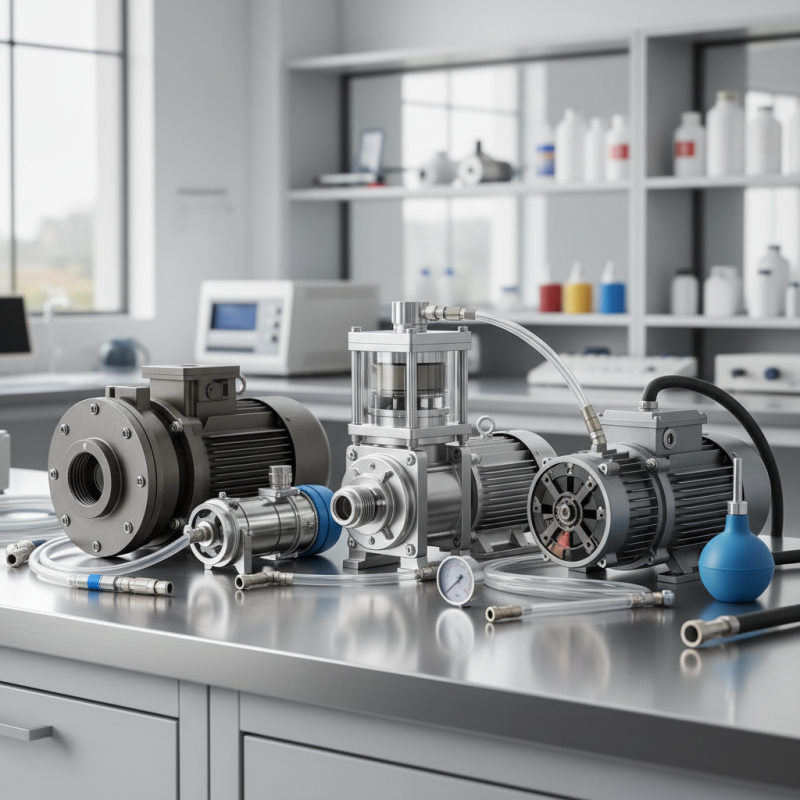
Factors to Consider When Selecting a Suction Pump for Specific Applications
Choosing the right suction pump involves several critical factors. Understand your specific application first. Different industries require different types. For example, a medical facility may need a pump that is reliable and sterile. In contrast, a construction site may prioritize robustness and durability.
Flow rate is a primary consideration. It measures how quickly a pump can move liquids or gases. According to industry reports, pumps with a higher flow rate often lead to increased efficiency. However, using a pump with excessive flow can result in unnecessary wear and damage. Assessing your actual needs will prevent costly mistakes.
Pressure rating is another essential factor. This aspect determines how well a pump can handle varying industrial conditions. Reliable data shows that pumps with higher pressure ratings are suited for demanding applications. Overlooking this could lead to system failures. Additionally, materials used in construction impact durability. Always examine potential maintenance requirements for each option.
Understanding Different Types of Suction Pumps: Diaphragm vs. Centrifugal
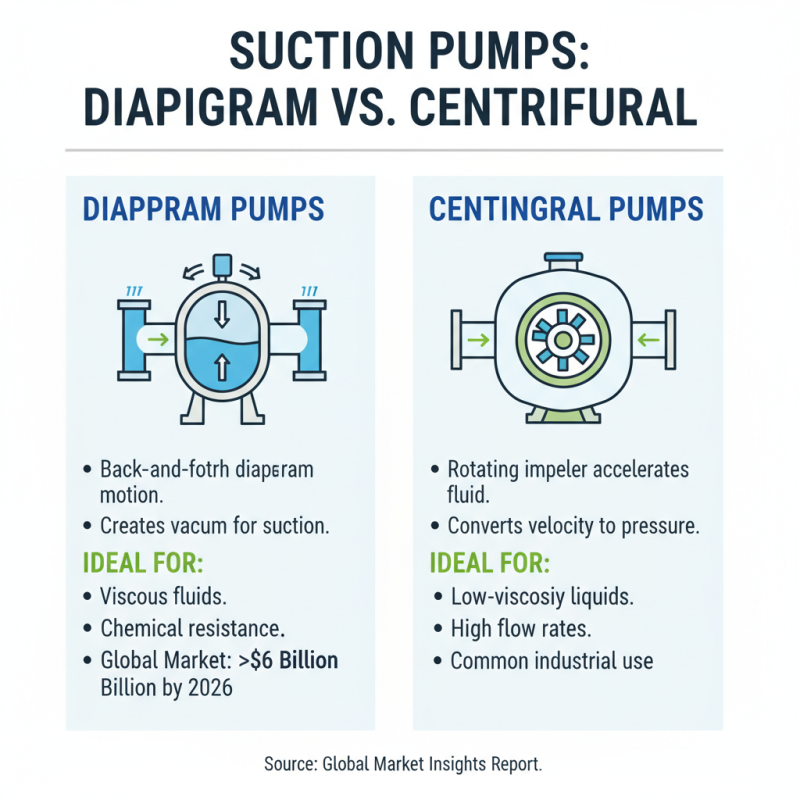
When selecting a suction pump, understanding the types available is crucial. Two common types are diaphragm pumps and centrifugal pumps. Diaphragm pumps function through a diaphragm that moves back and forth, creating suction. This design makes them ideal for viscous fluids or applications requiring chemical resistance. According to a report by Global Market Insights, diaphragm pumps hold a significant market share, projected to reach over $6 billion by 2026.
Centrifugal pumps, on the other hand, rely on rotational energy to move fluids. They are highly efficient and suitable for low-viscosity liquids. A recent study published in the Journal of Hydraulic Engineering indicates that centrifugal pumps have a higher flow rate compared to diaphragm pumps. However, they can struggle with cavitation, which can lead to reduced performance over time. This trade-off is essential for users to consider.
Both pump types have distinct advantages and limitations. Diaphragm pumps excel in handling solids and slurries, while centrifugal pumps shine in high-flow applications. It's important to assess your fluid type, viscosity, and application needs. Always approach your choice with a critical eye, considering long-term operational reliability and potential maintenance issues.
Evaluating Performance Metrics: Flow Rate and Pressure Ratings Explained
When selecting a suction pump, understanding flow rate and pressure ratings is vital. Flow rate reflects how much fluid the pump can move over time. For instance, a pump with a flow rate of 200 gallons per minute (GPM) is suitable for large-scale applications like sewage management. According to industry reports, an optimal flow rate can enhance efficiency, but pumps exceeding required rates may lead to excess wear and tear.
Pressure ratings, measured in psi (pounds per square inch), indicate the pump's ability to generate suction. A pump with a pressure rating of 75 psi can lift fluids from considerable depths. However, too high a pressure rating could cause cavitation, damaging the pump over time.
Tips: Always assess your specific needs before purchasing. Consider the fluid type and viscosity, as they can significantly influence both flow and pressure. Also, remember that extra features, while appealing, may complicate maintenance. A simpler model might offer better reliability and longevity. Look for data from reputable sources to inform your choices. Make sure to assess product reviews and case studies, which can reveal real-world performance insights.
Material Compatibility: Ensuring Your Pump Can Handle Various Liquids
Choosing the right suction pump involves more than just specifications. Material compatibility is critical. Different liquids interact with various materials in distinct ways. A pump that handles water may not work well with acids or solvents. According to a recent industry report, nearly 30% of pump failures relate to material incompatibility. This statistic emphasizes the need to select the right material.
When considering a pump, look at the type of liquid you will use. Rubber, plastic, and metal have different resistances to chemicals. For example, thermoplastic pumps can manage corrosive liquids but may struggle with high-temperature scenarios. It's crucial to assess operational conditions. The fluid's temperature and concentration can also affect compatibility. Relying on manufacturers' data sheets is essential, but real-world applications often yield insights that specs do not.
Reflecting on past experiences, many users overlook these factors. They often prioritize flow rate over material compatibility. This mistake can lead to costly downtime. The variety of liquids, such as oils, solvents, and cleaning agents, requires careful evaluation. Your pump should not only fit the job but also sustain its longevity. Ignoring material compatibility may result in short-term solutions with long-term repercussions.
Choosing the Right Suction Pump: Material Compatibility Chart
This bar chart illustrates the compatibility of common materials used in suction pumps with various liquids. It highlights how different pump materials perform with water, oil, and acids.
Maintenance Requirements: Ensuring Longevity and Efficiency of Suction Pumps
Maintenance of suction pumps is crucial for their longevity and efficiency. Regular upkeep ensures they perform at optimal levels, particularly in demanding environments. According to industry reports, properly maintained suction pumps can last up to 30% longer than those that are neglected. This statistic highlights the significant benefits of a good maintenance routine.
Tips for maintaining suction pumps include regularly checking for leaks. Even minor leaks can decrease efficiency. Additionally, ensure that filters are cleared and replaced when necessary. Dust and debris can clog filters, reducing performance. Scheduling routine inspections every six months can also help identify potential issues before they escalate.
It is essential to use appropriate lubricants for moving parts. Over time, seals may wear, leading to inefficiencies. Keeping records of maintenance helps identify patterns that may require deeper reflection. The right practices can transform how a suction pump operates and enhance its lifespan. Always stay informed about specific maintenance needs for different pump types. This knowledge fosters a proactive approach and encourages accountability in pump management.
How to Choose the Right Suction Pump for Your Needs? - Maintenance Requirements: Ensuring Longevity and Efficiency of Suction Pumps
| Dimension |
Description |
Frequency of Maintenance |
Lifespan Expectancy |
| Suction Power |
Measured in horsepower, determines the efficiency of the pump. |
Annually |
5-10 years |
| Capacity |
Volume of liquid the pump can move, typically measured in gallons per minute (GPM). |
Quarterly |
3-7 years |
| Material |
Construction material of the pump, affecting durability and resistance to corrosion. |
Biannually |
5-15 years |
| Seal Type |
Type of seals used to prevent leakage; critical for maintenance and safety. |
Monthly |
4-8 years |
| Power Source |
Electric, gas, or manual operation; affects mobility and usage. |
As needed |
Varies |