Why is the Gas Pump Price Increasing Globally?
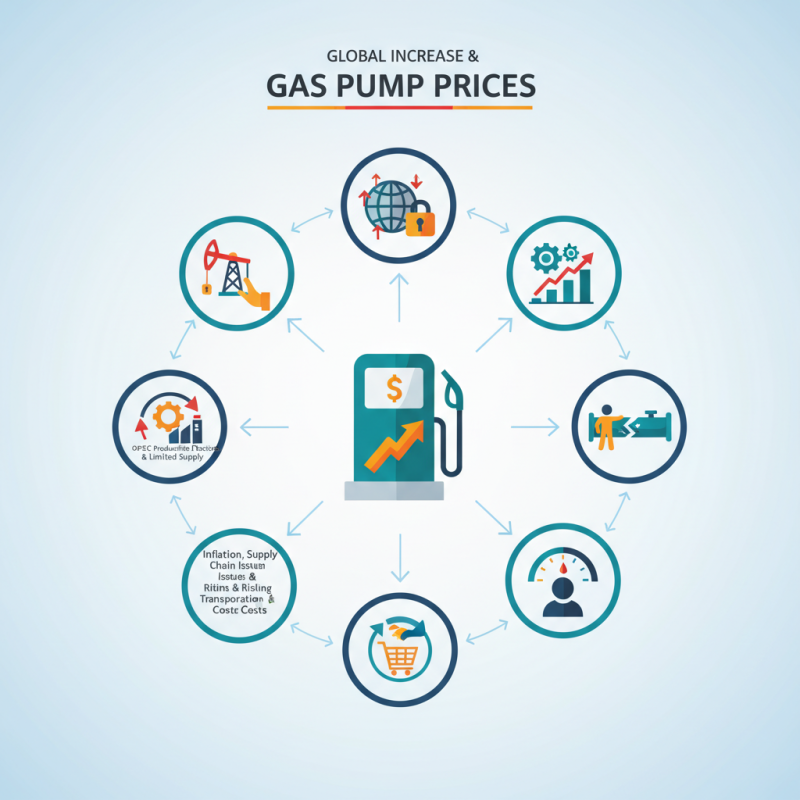
The increase in gas pump prices is a pressing concern for consumers worldwide. Factors contributing to this rise are complex and multifaceted. Global events, economic changes, and OPEC's production decisions all play crucial roles.
Demand for fuel continues to climb as economies recover from recent downturns. This increased demand collides with limited supply, pushing prices higher. Additionally, geopolitical tensions can lead to unexpected disruptions in oil production. These disturbances often result in an immediate spike at gas pumps.
Moreover, inflation impacts various sectors, including energy. Supply chain issues and rising transportation costs further exacerbate the situation. As consumers, we must reflect on our consumption habits and the broader economic landscape. Understanding these dynamics provides insight into why we face higher prices at the gas pump.
Global Oil Market Dynamics and Their Impact on Gas Prices
The global oil market is witnessing significant shifts that directly affect gas prices. Recent reports indicate that crude oil prices have surged to an average of $95 per barrel globally, a sharp increase compared to just $65 earlier this year. This substantial rise can largely be attributed to geopolitical tensions in key oil-producing regions, as well as production cuts by major OPEC+ members.
Supply issues are becoming a critical factor. Production disruptions in countries like Libya and Nigeria have reduced output. Additionally, Russia's ongoing commitment to limit oil exports impacts global supply. According to the U.S. Energy Information Administration, global oil demand is expected to grow by approximately 1.5 million barrels per day in 2024. This increasing demand, combined with limited supply, places upward pressure on gas prices worldwide.
Market volatility is another concern for consumers. Natural disasters or political instability can lead to unexpected price hikes. Recent data highlights that, when hurricanes threaten Gulf Coast refineries, prices often spike by 5% or more overnight. This unpredictability raises questions about oil dependency and sustainability. As gas prices continue to rise, some experts argue for the urgency of developing alternative energy sources to reduce vulnerability to such market dynamics.
Supply Chain Disruptions and Their Role in Fuel Cost Increases
The recent rise in global gas prices can largely be attributed to supply chain disruptions. As economies recover from the pandemic, demand for fuel has surged. At the same time, transporting that fuel has become increasingly complicated. COVID-19 restrictions once halted operations at ports and refineries. Now, they struggle to meet the renewed demand.
These disruptions create bottlenecks in the supply chain. Tankers and trucks face delays, leading to supply shortages. In turn, this pushes up prices at the pump. Weather events, labor shortages, and geopolitical tensions further complicate the situation. Each of these factors plays a role in increasing costs.
While it's easy to point fingers at suppliers or governments, examining local logistics offers clearer insights. Are our infrastructures equipped for rapid changes? Understanding these deeper issues requires reflection. Addressing them is vital for stabilizing fuel costs moving forward.
Global Gas Pump Price Increases (2022-2023)
The following chart illustrates the global gas pump price increases from 2022 to 2023, highlighting the impact of supply chain disruptions.
Geopolitical Tensions and Oil Prices: A Complex Relationship
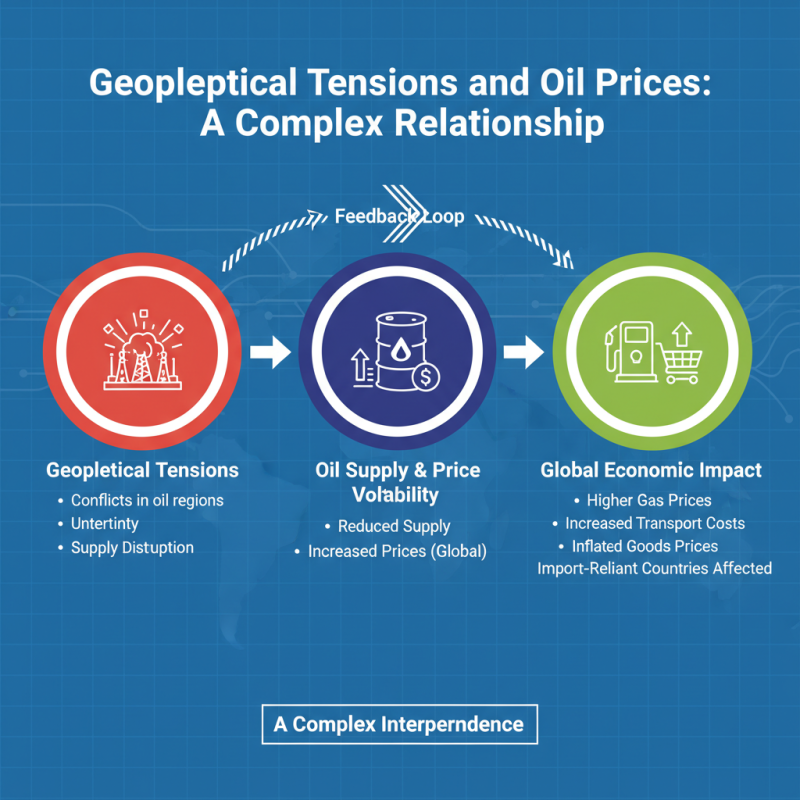
Geopolitical tensions have a profound impact on oil prices worldwide. Conflicts in oil-rich regions often create uncertainty. When tensions rise, oil supply can be disrupted. This disruption leads to price increases at gas pumps globally. Countries reliant on oil imports feel the immediate effects. Higher transportation costs also contribute to inflated prices for goods.
Moreover, these geopolitical factors are complex. They are not just about oil supply and demand. Sanctions against countries can drastically limit exports. Market speculators often react strongly to news. Their actions can exacerbate the price swings. Interestingly, even minor conflicts can trigger significant price hikes.
In this intricate web, consumer behavior plays a role too. As prices rise, demand may shift. People might choose public transport over driving. This reaction reflects a need for adaptation. However, the global economy continues to depend heavily on oil. This dependency creates a cycle of vulnerability. The push for renewable energy sources becomes more critical. Yet the transition is gradual and fraught with challenges.
Rising Demand for Fuels Amid Economic Recovery Post-Pandemic
As the global economy rebounds from the pandemic, fuel demand is surging. The International Energy Agency (IEA) reported that global oil demand is expected to rise by 4% in 2023. This spike in fuel consumption is largely driven by increased travel and transport as restrictions ease. People are eager to hit the roads and board planes, pushing fuel demand higher.
However, the supply chain remains fragile. OPEC+ countries are cautiously balancing their production output, which has led to fluctuations in supply. According to the U.S. Energy Information Administration, crude oil prices have increased nearly 30% since late 2022. This translates into higher prices at the gas pump. It's a tangible example of how demand can outstrip supply, creating a challenging environment for consumers and businesses alike. Reports indicate that many drivers are now reconsidering their travel plans, weighing costs closely against their budgets.
This increase poses broader questions about sustainability and energy policies. While immediate recovery is vital for economies, it raises concerns about greenhouse gas emissions. Environmentalists argue that hastened demand could derail efforts to transition to cleaner fuels. Balancing economic recovery with environmental stewardship remains a complex challenge that needs critical attention.
Why is the Gas Pump Price Increasing Globally? - Rising Demand for Fuels Amid Economic Recovery Post-Pandemic
| Country/Region |
Average Gas Price (USD per Gallon) |
Year-over-Year Price Change (%) |
Economic Factors Influencing Demand |
| United States |
$3.76 |
20% |
Increased travel and commuting |
| Europe |
$5.82 |
25% |
Demand surge post-lockdown |
| China |
$4.61 |
18% |
Economic recovery and urbanization |
| India |
$4.13 |
15% |
Rising automobile usage |
| Brazil |
$3.94 |
22% |
Recovery in consumer spending |
Influence of Renewable Energy Policies on Traditional Fuel Prices
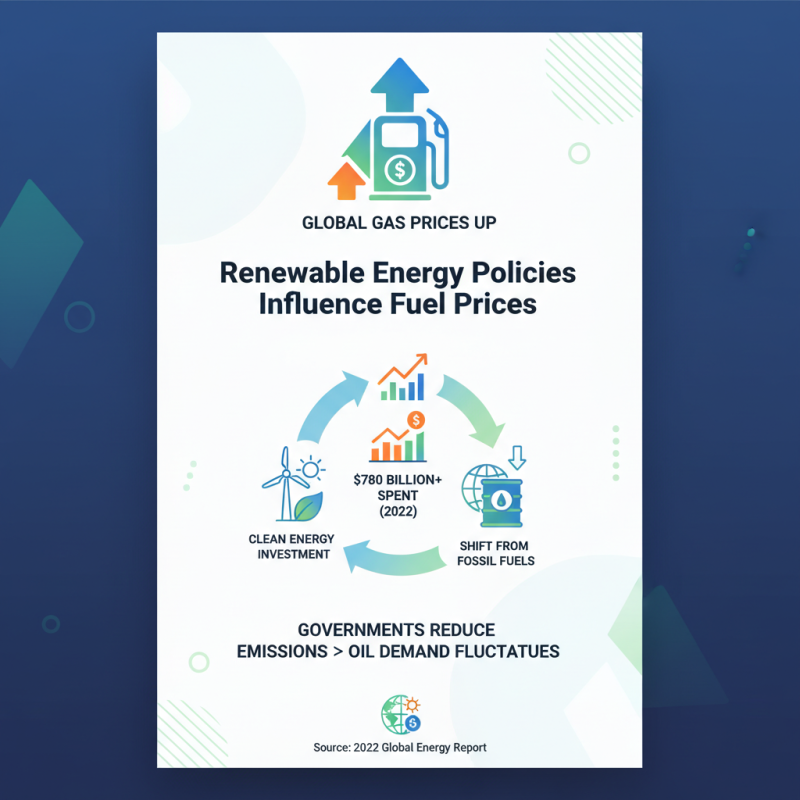
The global increase in gas pump prices is increasingly influenced by renewable energy policies. Nations invest heavily in clean energy, shifting focus away from fossil fuels. Reports show that in 2022, countries spent over $780 billion on renewable energy sources. This shift affects the traditional fuel market, raising prices. As more governments commit to reducing carbon emissions, oil demand fluctuates.
Renewable energy policies create tension in the fuel market. With subsidies for renewables, traditional fuel production faces pressures to adapt. Some regions see increased taxes on oil and gas, aiming to fund sustainable initiatives. According to a report by the International Energy Agency, oil consumption dipped by 2% in 2021 due to these policies. However, many consumers still rely on traditional fuels, leading to an imbalance. This imbalance raises prices at gas pumps, impacting everyday drivers.
The transition to renewable energy isn't without challenges. Many infrastructure systems still depend on fossil fuels. For example, about 80% of the world's energy comes from oil, gas, and coal. As consumers face higher costs, the reliance on renewable energy raises questions. Are the benefits worth the financial burden? The journey towards sustainability must consider these critical aspects.