The Ultimate Guide to Gear Pump Selection in China?
Selecting the right gear pump is crucial in various industries. In China, the market for gear pumps is vast and diverse. Understanding your specific requirements is essential for making an informed decision.
Gear pumps have unique characteristics that appeal to many applications. They provide reliable fluid transfer and can handle various viscosities. However, choosing one is not always straightforward. There are multiple factors to consider, such as size, material, and pressure ratings. Each of these elements affects performance and longevity.
As you explore your options, it’s important to reflect on past experiences with gear pumps. Have they met your expectations? Or have you faced challenges in their operation? Learning from these experiences can help refine your selection process. Reliability is key, yet some users find that not all pumps deliver consistent results. Exploring these nuances will lead to better choices in gear pump selection.
Understanding Gear Pump Basics: Types and Applications in Industry
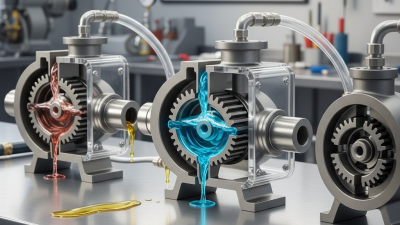
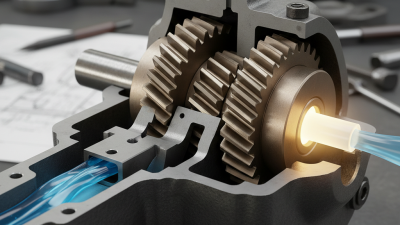
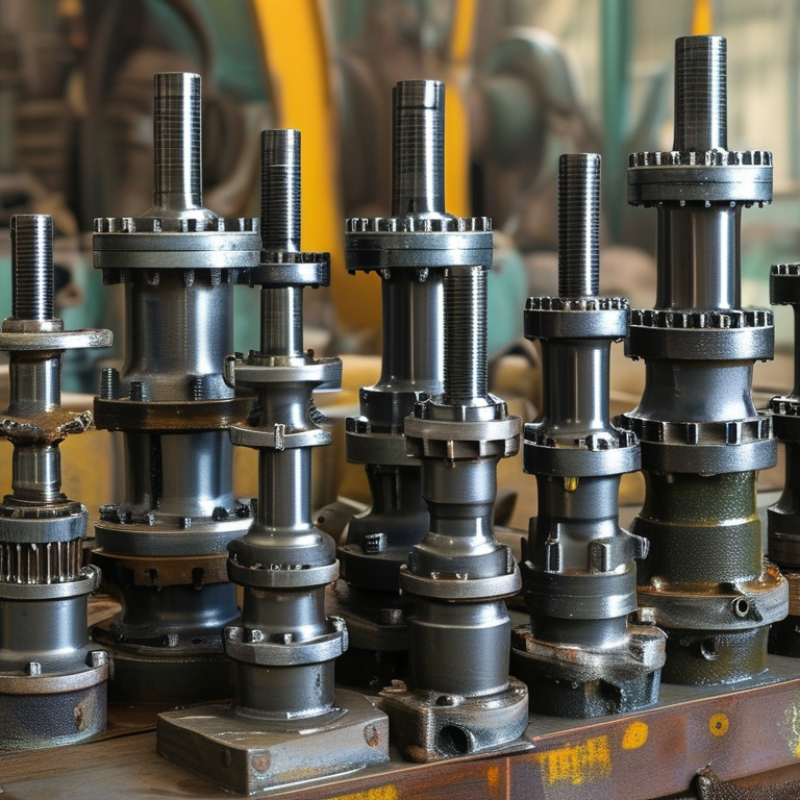
Gear pumps are essential in many industries, offering efficient fluid transfer solutions. They operate on a simple principle: turning gears create suction and push fluid through the pump. This simplicity makes them reliable and easy to maintain. Various designs exist, including internal and external gear pumps. Internal gear pumps are known for their ability to handle thicker fluids, while external gear pumps excel in moving lower-viscosity materials.
Applications of gear pumps vary widely. In the automotive industry, they manage oil circulation. In manufacturing, they transport chemicals and lubricants. Food processing plants also benefit from gear pumps, ensuring safe movement of products. Each setting requires careful selection according to fluid properties and operational demands. Overlooking these factors can lead to inefficiencies or equipment failure.
Despite their advantages, gear pumps have limitations. They can struggle with shear-sensitive fluids, which may break down under pressure. Regular maintenance is critical to ensure longevity and performance. A lack of attention to wear can cause leaks or decreased efficiency. Understanding these nuances helps in making informed selections for specific applications.
Key Factors Influencing Gear Pump Selection in China
When selecting gear pumps in China, several key factors come into play. First, the nature of the fluid is crucial. Understanding its viscosity helps determine the right pump type. For instance, highly viscous fluids may require specialized pumps to ensure effective operation. Additionally, the pump's temperature range should match the application. Fluctuations can affect performance and lifespan.
The material compatibility also deserves attention. Different fluids may react poorly with certain materials. For example, abrasive fluids can wear down softer materials quickly. Also, the efficiency of the pump impacts operational costs. Users must review specifications carefully to ensure the pump meets efficiency standards.
Installation and maintenance are vital considerations. Proper installation can minimize future issues. Yet, many overlook regular maintenance requirements. This can lead to significant downtimes and increased costs. Making an informed choice requires not only knowledge of the product but also an understanding of the specific application requirements. It's a process that often requires iteration and refinement.
The Ultimate Guide to Gear Pump Selection in China - Key Factors Influencing Gear Pump Selection in China
| Factor |
Description |
Impact on Selection |
| Fluid Compatibility |
Understanding the chemical properties and viscosity of the fluid |
Essential for material selection and pump design |
| Flow Rate Requirements |
Determining the necessary flow rate for the application |
Affects pump size and performance specifications |
| Pressure Range |
Evaluating the required discharge pressure for the system |
Impacts pump type and materials used |
| Temperature Considerations |
Assessing the operating temperature of the fluid |
Influences sealing and material choices |
| Operational Environment |
Considerations for installation location and environmental conditions |
Impacts the design for durability and safety |
| Maintenance Requirements |
Evaluating how often the pump will require servicing |
Factors into total cost of ownership and selection |
Comparative Analysis of Gear Pump Efficiency Ratings and Performance Metrics
When selecting gear pumps, efficiency ratings and performance metrics are essential. A recent industry report highlights that gear pumps can achieve efficiencies ranging from 85% to 95%. However, not all pumps meet these standards. Variability in manufacturing processes can lead to significant performance discrepancies. This emphasizes the need for careful evaluation before making a purchase.
In performance metrics, parameters like viscosity handling and flow rates are crucial. Many gear pumps operate effectively within a viscosity range of 100-400 cP. Yet, certain models struggle outside this range, leading to increased wear and maintenance costs. A pump that performs well at standard conditions may falter with variations in fluid characteristics, showcasing the importance of thorough testing.
Additionally, noise levels and operational stability are significant factors in gear pump selection. Reports indicate that optimal models generate noise levels below 70 dB, which is comfortable for most industrial environments. Pumps exceeding this threshold may require additional soundproofing measures, complicating installation. Thus, while focusing solely on efficiency is tempting, considering these additional aspects ensures a more comprehensive understanding of gear pump performance.
Market Trends: Growth Projections for Gear Pump Industry in China
The gear pump industry in China is witnessing impressive growth. This is driven by several factors, including industrial expansion and increased demand for efficient fluid management. The market size for gear pumps is projected to rise significantly in the coming years. This growth trend indicates opportunities for manufacturers and suppliers alike.
One key tip for selecting gear pumps is to understand the specific application needs. Different sectors such as automotive, chemical processing, and food production have unique requirements. Choosing the right materials and sizes can significantly enhance performance and durability. Industry professionals recommend regular maintenance as well. This ensures optimal function and long service life. Materials can wear down over time, affecting the pump's efficiency.
Another important consideration is energy consumption. Gear pumps can vary in their energy efficiency. Selecting energy-efficient models not only reduces operating costs but also supports sustainability goals. Stakeholders should keep an eye on advancements in pump technology. Innovations may lead to better performance and cost savings in the long run. Balancing initial investment with operational efficiency is crucial.
Regulatory Standards and Compliance for Gear Pumps in Chinese Manufacturing
When considering gear pumps in Chinese manufacturing, compliance with regulatory standards is crucial. The China National Standard (GB) sets benchmarks for equipment performance and safety. These guidelines help ensure that gear pumps operate efficiently and meet industry demand. According to a recent report by the China Machinery Industry Federation, approximately 30% of manufacturers struggle to meet these standards due to insufficient knowledge of requirements.
Regulatory compliance is not just about following rules; it impacts product quality. Gear pumps must adhere to aspects like material composition and performance metrics. The 2022 analysis from the China Pump Industry Association highlighted that non-compliance can lead to increased failure rates and costly recalls. This reality emphasizes the need for manufacturers to invest in training and resources to understand these regulations thoroughly.
The landscape of gear pump manufacturing continues to evolve. Adapting to regulatory changes is vital for market competitiveness. The 2023 survey revealed that 45% of manufacturers plan to enhance their compliance strategies. However, many lack the expertise to implement these changes effectively. This gap illustrates the ongoing challenge within the industry. Addressing it requires collaboration between manufacturers and regulatory bodies, fostering a culture of compliance and excellence.