What is Household Insecticide and How Does It Work?
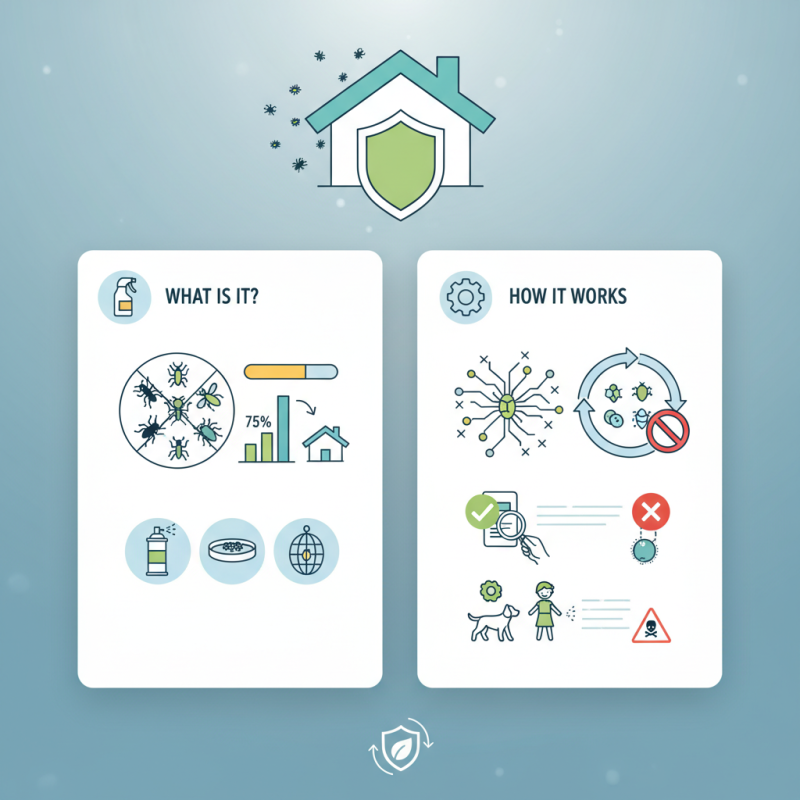
Household insecticides are essential for pest control. They help manage unwanted insects in homes. According to a report by the American Association of Pesticide Control, over 75% of households use some form of insecticide. These products range from sprays to baits and traps.
The effectiveness of household insecticide lies in its active ingredients. They work by disrupting the life cycle of pests. Some target the nervous system of insects, causing paralysis or death. However, improper use can lead to problems. Misapplication may harm beneficial insects or pose risks to pets and children.
Awareness of safety measures is crucial. The Environmental Protection Agency (EPA) emphasizes reading labels carefully. Risks can arise if instructions are ignored. While household insecticides are effective, they require responsible use. Understanding the chemicals involved is vital for safe pest management.
Definition of Household Insecticide and Its Purpose
Household insecticides are products designed to eliminate pests in our homes. Their primary purpose is to protect our living spaces from unwanted insects. These products help manage common household pests like ants, cockroaches, and flies. They often contain chemicals that target the nervous system of insects. Sprays, baits, and powders are popular forms.
Using insecticides is convenient, but it’s not without risks. These chemicals can also affect pets and humans if misused. It’s vital to read instructions carefully. Ventilation is crucial when applying these products. Some users might overlook this safety aspect. The effectiveness of household insecticides varies based on the environment and pest.
Many people may rely too heavily on insecticides without addressing the root causes of infestations. Maintaining cleanliness and sealing entry points can be overlooked. Relying solely on chemicals might seem easier but may lead to recurring pest problems. Awareness of the potential side effects is important for responsible use. Striking a balance between safety and effectiveness requires thoughtful consideration.
What is Household Insecticide and How Does It Work?
| Type of Insecticide | Active Ingredients | Target Insects | Mode of Action | Application Method |
| Aerosol Sprays | Pyrethroids, Neonicotinoids | Cockroaches, Ants, Flies | Nervous system disruptors | Spray directly on insects or areas |
| Baits | Boric Acid, Fipronil | Termites, Ants | Ingestion leads to poisoning | Place in areas where pests are seen |
| Granules | Methoprene, Imidacloprid | Fleas, Ticks, Ants | Disrupts life cycle | Spread on affected areas |
| Liquid Concentrates | Chlorpyrifos, Cypermethrin | Mosquitoes, Cockroaches | Attacks central nervous system | Dilute and spray infested areas |
Common Types of Household Insecticides and Their Applications
Household insecticides are commonly used to control pests in our homes. There are several types available, each designed for specific applications. One widely used category is spray insecticides. These come in cans and are easy to apply. They target crawling insects like ants and roaches, killing them on contact. However, some people may find these sprays are not always effective, and sometimes they must be reapplied.
Another type is bait insecticides. These often come in stations or gels, designed to attract insects. For instance, cockroach baits lure roaches and then poison them. The challenge is ensuring the bait is placed in areas of high activity. Many users overlook this detail, leading to less effective pest control.
Lastly, there are dust insecticides. These can be applied in cracks or crevices where insects hide. Dust works well for bedbugs and spiders. Nevertheless, users must be cautious. Dust can easily disperse into the air, causing inhalation issues. It's essential to follow the instructions carefully. Hasty applications often lead to mishaps, compromising safety and effectiveness.
Mechanisms of Action: How Insecticides Affect Pests
Household insecticides are designed to control pests effectively. They work by targeting the nervous system of insects. When an insect comes into contact with an insecticide, it disrupts communication within its body. This often leads to paralysis or death. These chemicals can be applied in various forms, such as sprays, baits, or powders.
The mechanisms of action vary among different types of insecticides. Some interfere with neurotransmitters, causing overstimulation. Others block receptors, preventing normal nerve function. For example, organophosphates and carbamates inhibit an enzyme critical for nerve signal transmission. However, this can cause unintended effects on beneficial insects. It's a trade-off that requires careful consideration.
While household insecticides are useful, they are not without flaws. Many pests can develop resistance over time. This means that what works today may not work tomorrow. Additionally, their impact on non-target organisms can lead to ecological imbalances. Users must reflect on these aspects. Consider integrating non-chemical methods too, to achieve better pest control while minimizing risks.
Effectiveness of Different Household Insecticides
Safety Considerations When Using Household Insecticides
Using household insecticides can be effective but requires caution. Many of these products contain chemicals that can harm humans and pets. Always read labels carefully. Understand the active ingredients and their potential risks.
When applying insecticides, wear gloves and a mask. Keep children and pets away during and after application. Ensure proper ventilation in the area. It might feel safe to spray indoors, but airborne particles can linger.
Tips: Use insecticides outdoors whenever possible. This reduces exposure. Avoid using too much product; more isn’t always better. Clean surfaces afterward to minimize residue. Regularly review safety data sheets for the chemicals you use.
Reflect on whether you really need to spray. Sometimes, simple solutions like keeping a clean home can prevent infestations. Relying solely on chemicals can create more harm than good. Stay informed for safer choices.
Environmental Impact of Household Insecticides and Alternatives
Household insecticides are commonly used to manage pests. However, their environmental impact raises concerns. Chemicals can seep into soil and water, harming ecosystems. Beneficial insects, like bees, are often affected. These substances can disrupt food chains and lead to a decline in biodiversity. Many people may not realize the long-term consequences of persistent use.
Alternatives exist that can reduce these risks. Natural repellents can be effective in keeping unwanted pests at bay. For instance, using essential oils or vinegar may deter insects without harmful effects. Nevertheless, these alternatives may require more frequent applications. People often gravitate towards instant solutions, but they should reconsider the trade-offs.
Awareness of environmental impacts is vital. Pesticide usage often neglects the broader picture. Long-term solutions might involve more effort but could lead to healthier surroundings. Everyone has a role in making mindful choices for sustainable pest control. The question remains: are we ready to change our habits for a safer planet?