2026 How to Choose a Diesel Transfer Tank with Pump for Your Needs?
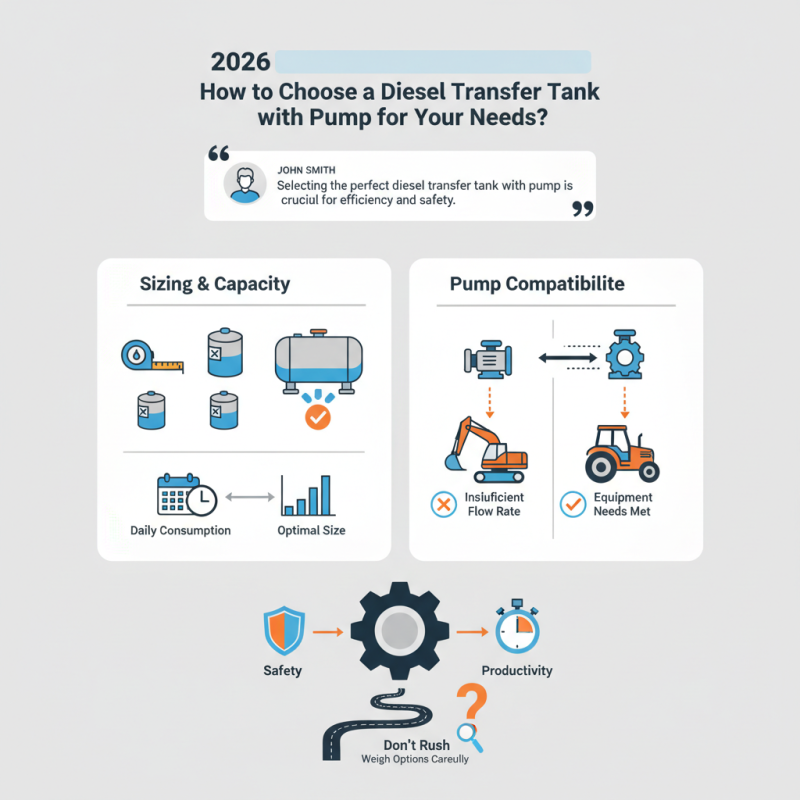
Choosing the right diesel transfer tank with pump can feel overwhelming. Experts like John Smith, a renowned authority in fuel storage solutions, once stated, “Selecting the perfect diesel transfer tank with pump is crucial for efficiency and safety.” This advice emphasizes the importance of making informed choices.
Proper sizing and capacity are essential factors to consider. A tank that is too small won’t meet your needs, while one that is excessively large can lead to wasted space. Think about your specific requirements. You need to assess your daily consumption and determine the optimal tank size for your operations.
It's also vital to evaluate pump compatibility. Not all tanks come with pumps that suit every situation. Some pumps may not deliver the required flow rate for your machinery, resulting in delays. Reflect on your equipment needs and choose accordingly. A well-chosen diesel transfer tank with pump can enhance productivity and safety in your operations. Don't rush this decision; take time to weigh your options carefully.
Understanding Diesel Transfer Tanks: Features and Benefits
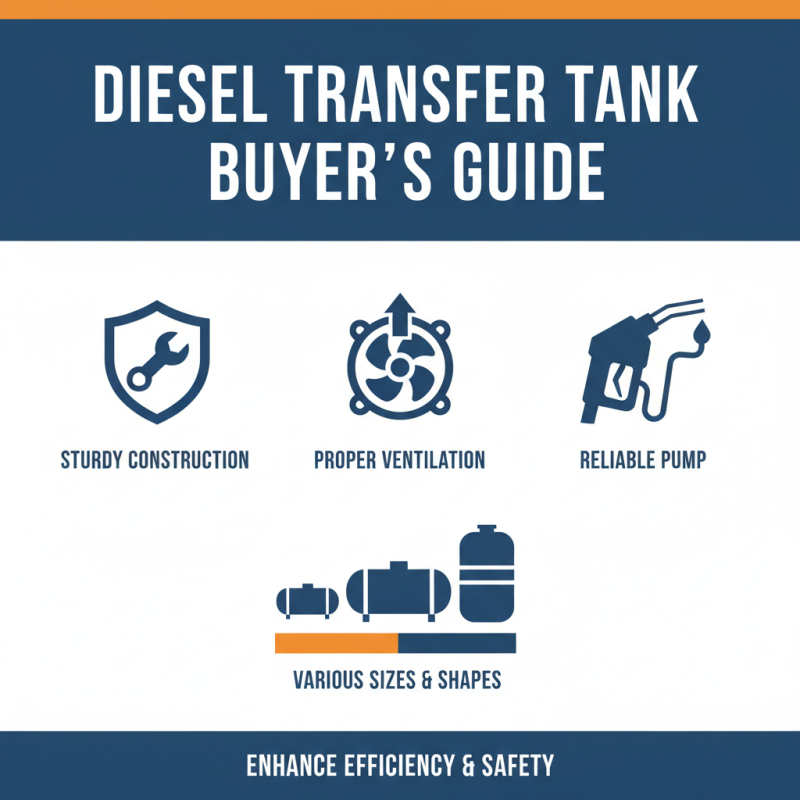
When selecting a diesel transfer tank, understanding its features is crucial. These tanks come in various sizes and shapes. Choosing the right one can enhance efficiency and safety for fuel storage. Key features include sturdy construction and proper ventilation. A reliable pump is essential for easy fuel distribution.
**Tips:** Always check the tank’s specifications. Look for certifications that ensure safety. It's wise to compare materials like steel and polyethylene. Steel offers durability, while polyethylene might weigh less.
Wire-reinforced hoses can prevent spills. Consider a tank with a filtration system to reduce impurities. Think about where you will use the tank. Will it be stationary or mobile? This choice influences your tank's design.
**Tips:** Regular maintenance is essential. Check for leaks or rust periodically. Not addressing small issues can lead to bigger problems. Planning for future expansion is smart too. A tank with a larger capacity might save you time and trips for refueling.
Types of Diesel Transfer Tanks: Choosing the Right One for You
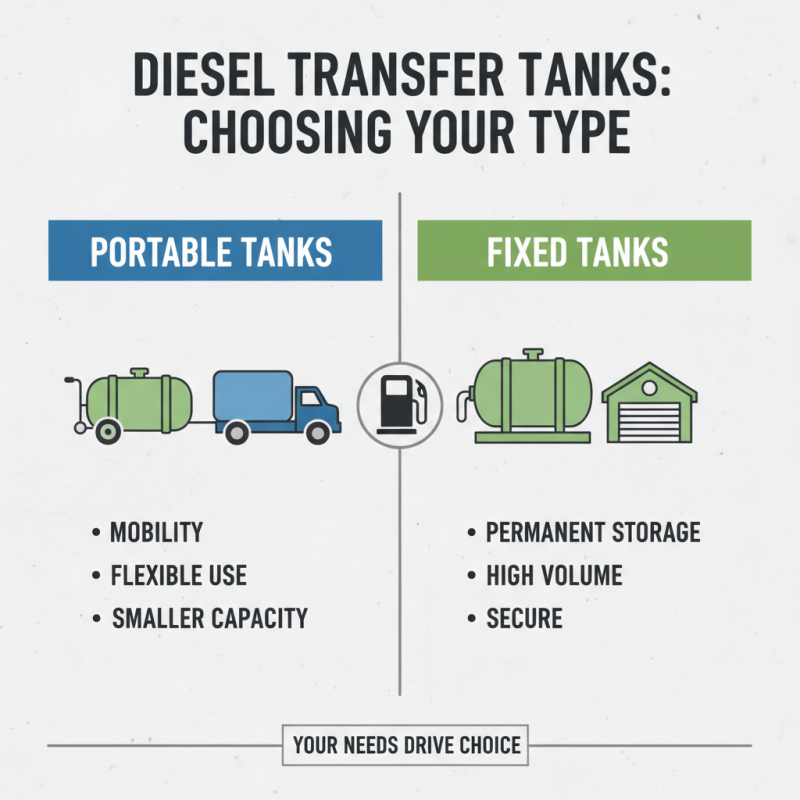
When selecting a diesel transfer tank, understanding the types available is crucial. There are several options, each tailored to specific needs. Portable tanks are ideal for mobility. Fixed tanks, on the other hand, offer permanent storage solutions. Both have advantages and disadvantages, depending on your situation.
Consider tank size carefully. A larger tank means fewer refills. However, it can be cumbersome and harder to transport. Smaller tanks are easier to manage but require frequent stops for refueling. Think about your typical usage. If you move a lot, a compact design may be best.
Another factor is the construction material. Steel tanks are durable but may rust over time. Polyethylene tanks are lightweight and resistant to corrosion. Each material has its own benefits and drawbacks. Prioritize what matters most for your needs, and don’t rush the decision. Sometimes, the best choice is ambiguous, requiring thought and patience.
Factors to Consider When Selecting a Diesel Pump
When selecting a diesel pump, several factors come into play that can significantly impact your decision. Efficiency is critical. According to a recent industry report, high-efficiency pumps can reduce fuel consumption by nearly 10%. This can equate to substantial savings over time, especially for heavy users. Pay attention to the flow rate as well. A flow rate of 20 to 30 gallons per minute is often ideal for most applications. This provides balance between speed and operational efficiency.
Consider the power source as well. Diesel pumps typically run on electric or gas. Electric pumps are quieter and more efficient, while gas pumps can be more portable. Each option has its upsides and downsides. A study shows that electric pumps generally last longer, but they may require a more extensive installation process. Battery life and site accessibility are additional factors that deserve reflection. Whether it's remote job sites or regular maintenance, evaluating these critical elements can streamline your operations.
Sizing is also a pivotal factor that is often overlooked. A tank that is too small can lead to constant refills. Conversely, a vastly oversized tank may take up unnecessary space. The right size should be dictated by your daily requirements and future needs. Understanding the right specifications can make the difference between reliable performance and frequent setbacks.
Compatibility and Regulations for Diesel Transfer Tanks
When selecting a diesel transfer tank with pump, understanding compatibility and regulations is crucial. Each region may have specific guidelines governing fuel storage and transfer. Failing to comply can lead to penalties, so always check your local laws. Dimensions of tanks can vary significantly. Ensure the size meets your vehicle's loading space and weight limits.
Consider the materials used in the tank as well. Some are built from high-density polyethylene, while others are made from steel. Both options have their benefits. Steel tanks may withstand more wear but might rust over time. Polyethylene is generally lighter and resistant to corrosion but can be more prone to damage from impact.
It's worth contemplating the pump's specifications as well. Not all pumps are suitable for every tank. Check the flow rates and power source compatibility. A mismatched setup can lead to inefficiencies. Take time to read reviews and warnings. Engaging with fellow users can provide insights into hidden challenges. Balancing your needs against regulations can seem daunting, but it ensures safe and effective operations.
2026 How to Choose a Diesel Transfer Tank with Pump for Your Needs? - Compatibility and Regulations for Diesel Transfer Tanks
| Feature |
Description |
| Tank Capacity |
From 50 to 500 gallons, depending on the application needs. |
| Material |
Aluminum or Steel, each offering different durability and weight advantages. |
| Pump Type |
Electric or Manual pumps, choosing based on convenience and power source availability. |
| Compliance Standards |
Must meet EPA regulations and state-specific requirements for fuel storage and transfer. |
| Portability |
Available in stationary or portable designs; choose based on transportation needs. |
| Accessories |
Options for hoses, nozzles, and filters to ensure clean and efficient transfer of diesel. |
| Warranty |
Typically ranges from 1 to 5 years, providing assurance of product quality and durability. |
Maintenance Tips for Your Diesel Transfer Tank Setup
Maintenance of a diesel transfer tank is crucial for its longevity and efficiency. Regularly inspect the tank for any signs of wear or rust. Pay attention to the pump and hoses, as they are vital components. A small crack or a loose connection can lead to significant issues. Clean the filter frequently to ensure optimal flow rates.
Check the seals often; they prevent leaks and contamination. It’s a good idea to store the tank in a shaded area to protect it from the sun. Over time, exposure to UV rays can degrade the material. Also, consider the impact of temperature variations on fuel quality.
Don't forget to perform regular flow tests. A decrease in flow can indicate clogs or pump issues. Mark your maintenance dates to avoid forgetting. However, even with the best intentions, mistakes can happen. Ignoring small signs can lead to larger problems later.
Reflecting on your maintenance routine is essential for avoiding unexpected failures down the road.