How to Choose the Best Gas Pump for Your Business Needs?
Choosing the right gas pump for your business is crucial. According to industry expert John Hart, "Selecting a gas pump can make or break your operations." He emphasizes that understanding your specific needs will lead to better efficiency. Gas pumps come in various types, each designed for different capacities, fuel types, and technology.
When assessing gas pumps, consider your business scale and fuel demand. For small stations, a simple, reliable pump may suffice. Larger operations might require high-speed pumps with advanced payment systems. Your choice impacts not only customer satisfaction but also operational costs. It’s essential to research and compare products.
Remember, investing in an appropriate gas pump requires thoughtful reflection. Don't rush the decision. Some pumps may promise high efficiency but lack durability. Evaluating user reviews and industry reports can help. Gathering insights from other businesses will lead you to a sound investment. Consider your long-term needs when making this important choice.
Identifying Your Business Fuel Needs: A Comprehensive Analysis
When choosing the right gas pump, it's essential to first understand your business's specific fuel needs. According to the National Association of Convenience Stores, 50% of convenience stores reported a significant increase in fuel sales over the past three years. This highlights the importance of aligning your pump selection with market demand.
Consider the volume of fuel your business needs. If your operations require high throughput, opt for pumps with faster delivery rates. A report by the American Petroleum Institute indicated that pumps offering higher flow rates can reduce customer wait times significantly, enhancing the customer experience.
Also evaluate the types of fuels you will offer. A survey by the Energy Information Administration revealed that about 10% of gas stations now offer alternative fuels. If you're part of this growing trend, investing in versatile pumps that can handle both traditional and alternative fuels becomes critical. Slight miscalculations in fuel type offerings can impact your market share. Adjusting your pump selection should consider regional preferences and fuel trends.
Understanding Different Types of Gas Pumps and Their Features
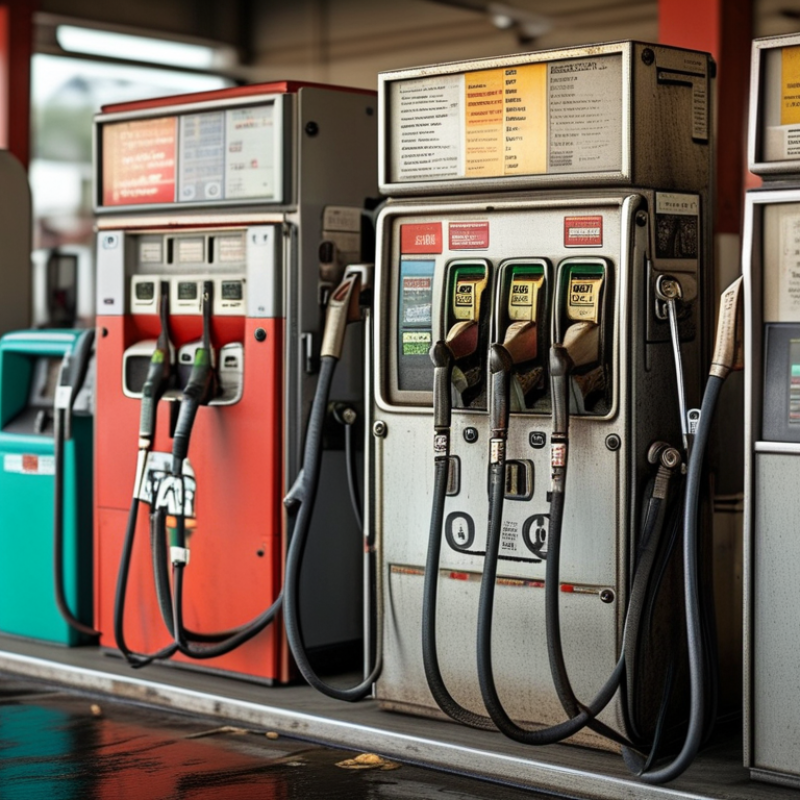
When selecting a gas pump, understanding the different types available is crucial. There are primarily two categories:
above-ground and underground tanks. Above-ground pumps are easier to install, often requiring less space.
Conversely, underground tanks require significant upfront investment but can enhance security and aesthetic appeal.
According to a recent industry report, nearly 70% of new gas stations opt for above-ground models due to lower installation costs
and easier maintenance.
Another important feature is the pump's flow rate. Most commercial pumps range from 10 to 25 gallons per minute (GPM). A
higher flow rate reduces waiting times, which is vital during peak hours. However, this can lead to higher overages in certain
regions, impacting operational budgets. Some operators may underestimate the importance of having a pump that balances speed
and cost efficiency. A recent study showed that businesses with optimized flow rates increase customer satisfaction by up to 30%.
Additionally, the technology in gas pumps has evolved. Many modern pumps come equipped with digital displays
and smart payment systems. These features are not only user-friendly but also help in maintaining accurate fuel
inventory. However, integrating high-tech systems can pose challenges. Operators need to ensure staff are well-trained.
This investment can stimulate productivity but may lead to initial hiccups during the transition. Assessing these elements
before purchasing can lead to better long-term business decisions.
Evaluating Cost and Budget Considerations for Gas Pump Acquisition
When considering gas pump acquisition, cost and budget are paramount. Industry reports indicate that the average cost of a commercial gas pump can range from $10,000 to $30,000, depending on features and technology. This wide range means careful budgeting is necessary. Installation costs can further increase total expenses, sometimes adding 20% to 30% to the purchase price. Evaluating financing options is also crucial, as many businesses benefit from leasing rather than outright purchases.
Additionally, total cost of ownership (TCO) should be a focus. TCO includes maintenance, fuel compatibility, and operational efficiency. According to the National Association of Convenience Stores, businesses can save up to 15% on operational costs by investing in high-efficiency pumps. Ensure compatibility with existing infrastructure to avoid over-budgeting on retrofitting.
Assist your decision-making by considering future trends. As the industry shifts toward more eco-friendly solutions, investing in environmentally compliant technology might incur higher upfront costs but can lead to long-term savings. Reflect on your business’s growth trajectory—why invest in more than what is immediately needed? Balancing current requirements with future potential can lead to smarter spending.
Assessing Regulatory Compliance and Safety Standards for Fuel Pumps
When selecting a gas pump for your business, understanding regulatory compliance and safety standards is crucial. The Environmental Protection Agency (EPA) mandates that all fuel pumps meet specific specifications. According to a 2022 industry report, compliance with these regulations helps ensure safe fuel dispensing while minimizing environmental hazards. Improperly maintained pumps may leak, posing both financial and safety risks.
Regular inspections and adherence to safety protocols are essential. The National Fire Protection Association (NFPA) emphasizes that maintenance can prevent up to 40% of accidents related to fuel pumps. Proper certification and training for staff handling these pumps can reduce human error significantly. A report from the American Petroleum Institute highlighted that training contributes to a 25% decrease in compliance-related incidents.
Choosing the right gas pump involves considering both its technology and compliance with local regulations. Not every pump is built to the same standards. Evaluating both operational efficiency and safety features is necessary. It is a continuous process that requires reflection and adaptation. Ensure your equipment aligns with industry best practices to enhance reliability and safety for your customers and employees.
How to Choose the Best Gas Pump for Your Business Needs? - Assessing Regulatory Compliance and Safety Standards for Fuel Pumps
| Dimension |
Description |
Compliance Standards |
Safety Features |
Recommended Use |
| Flow Rate |
Amount of fuel dispensed per minute |
UL 87, EN 13617 |
Automatic shut-off, leak detection |
High-volume retail stations |
| Fuel Type Compatibility |
Types of fuel that can be dispensed |
EPA regulations, API standards |
Overfill protection, emergency stop |
Multi-fuel service stations |
| Meter Accuracy |
Precision of fuel measurement |
NIST Handbook 44 |
Tamper-proof seals, calibration checks |
Retail and fleet fueling |
| User Interface |
Ease of use for customers |
ADA compliance |
Emergency instructions, clear displays |
High-traffic locations |
| Maintenance Requirements |
Frequency and type of upkeep needed |
NFPA 30A |
Self-diagnostic systems |
All fueling operations |
Exploring Maintenance and Support Options for Long-term Reliability
Maintaining a reliable gas pump is crucial for any business that relies on fuel sales. Effective maintenance and support options directly contribute to the longevity of your equipment. Regular inspections can identify potential issues before they escalate into major problems. Skipping these checks, however, could lead to unexpected breakdowns.
It's essential to have a solid maintenance schedule. This schedule should include routine inspections, filter replacements, and software updates. Trained professionals can help you stay on track, ensuring your equipment is always in good condition. Choosing a provider who offers comprehensive support is equally important. Look for services that respond promptly to issues and provide guidance on best practices.
Consider establishing a relationship with a service technician. A reliable technician understands your specific needs and can offer tailored solutions. They can help with preventive measures that save you money in the long run. Investing time in understanding your pump’s operational requirements may seem cumbersome, but it pays off significantly.
Gas Pump Maintenance and Support Options