How to Choose a Diesel Transfer Tank With Pump?
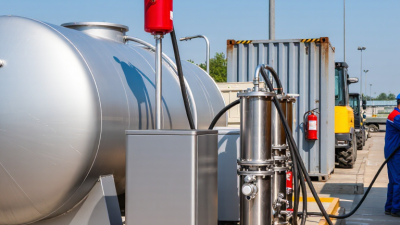
Choosing a diesel transfer tank with pump is not simply a capacity decision. It affects refueling speed, vehicle uptime, spill control, and daily work safety. A tank mounted in a service truck may face vibration, weather, dust, and repeated nozzle handling. Those conditions expose weak fittings quickly.
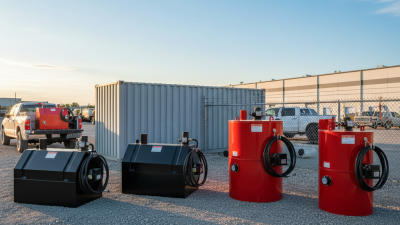
Fuel-equipment consultant Michael J. Kavanaugh states, “The right transfer tank begins with the job, not the catalog.” That practical view matters. A farm tractor, construction loader, and emergency generator need different fuel-flow rates and mounting arrangements. Consider tank volume, pump type, hose length, filtration, power supply, and automatic shutoff features. A 12-volt pump may suit mobile equipment, while a higher-flow system can reduce waiting beside large machinery.
Check the details.
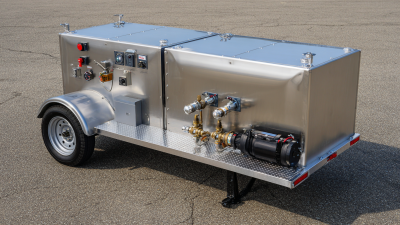
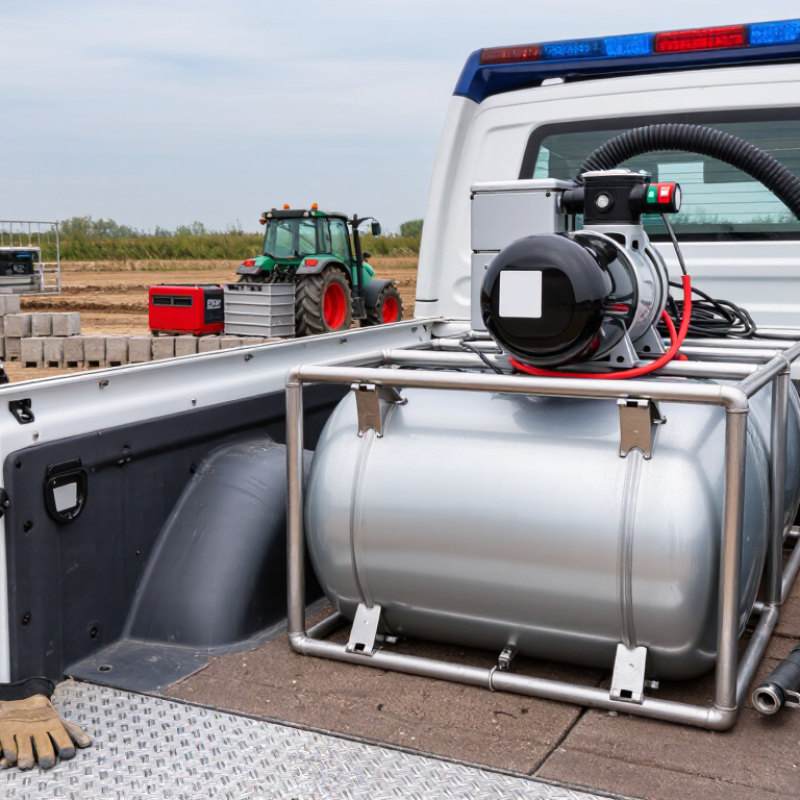
A reliable diesel transfer tank with pump should match the fuel requirements and the vehicle’s available payload. Steel offers strong impact resistance, while aluminum can reduce weight and resist corrosion. However, lighter is not always better. Installation quality, grounding, secure brackets, and protected wiring deserve equal attention. Confirm the manufacturer’s ratings and maintenance instructions before purchase. Regional transport, storage, and fire-safety requirements may also apply.
Some buyers focus too heavily on gallons and pump speed. That is an understandable mistake. In practice, a leaking cap, short cable, or clogged filter can create more trouble than a small tank. This guide compares important specifications, real-use conditions, and common oversights. It also leaves room for reflection: the cheapest option may perform well initially, but maintenance costs can change the decision.
Identify Your Diesel Storage and Transfer Requirements
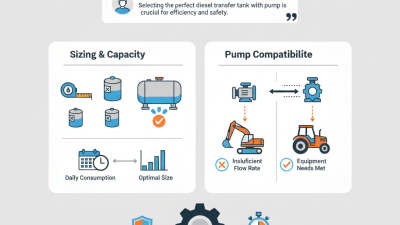
Choosing a diesel transfer tank with a pump starts with your actual storage and transfer requirements. Estimate weekly fuel consumption, not just the tank size you prefer. A compact generator may need only 100 litres, while farm or construction equipment can require several hundred litres.
Record how often you refuel, where the tank will sit, and whether it must move between sites. Measure the available space, including clearance around fittings and the pump. Check diesel compatibility, tank material, hose length, nozzle reach, and pump flow rate.
A pump that transfers fuel too slowly wastes time, while excessive flow can cause spills. Include filtration and a visible fuel-level gauge. These details matter during cold mornings and dusty work.
Tips: Add at least 10 percent spare capacity for scheduling flexibility, but avoid filling beyond the manufacturer’s safe limit. Select grounded equipment, secure connections, and suitable spill-control provisions. Follow local storage, transport, and electrical requirements. If the pump uses battery power, confirm voltage, duty cycle, and charging access. Test the setup with a small transfer before regular use.
The first estimate is often wrong. Track real fuel use for two weeks, then adjust the tank volume and pump performance. A larger tank is not always better; stored diesel can collect water or contamination when neglected. Keep inspection access practical, because a difficult tank will receive less maintenance. Reliable equipment starts with honest measurements.
Compare Tank Materials, Capacities, and Construction Features
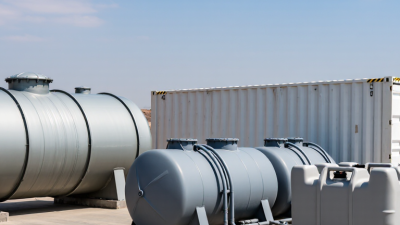
When choosing a diesel transfer tank with a pump, compare material before capacity. Steel offers strong impact resistance for demanding work environments. Aluminum weighs less and resists rust, but thin walls may dent more easily. Coated steel can provide added corrosion protection, especially outdoors. Inspect welds, seams, fittings, and mounting points carefully. Small flaws become leaks.
Choose capacity according to real fuel use, vehicle payload, and available space. A 40-gallon tank may suit occasional equipment refueling. A larger tank reduces refill stops but adds considerable weight when full. Check the vehicle’s payload rating before installation. Construction details matter just as much. Look for secure baffles, a lockable fill cap, reliable vents, and reinforced pump connections. The pump should match the tank’s outlet size and required flow rate. Do not judge quality by capacity alone.
Tips: Measure the mounting area twice. Review the tank’s documentation and maintenance instructions. Check local storage and transport requirements. I would choose a slightly smaller tank rather than overload a vehicle. That choice is easy to underestimate. After installation, inspect the pump, hose, and fittings before regular use.
Select the Right Pump Type, Flow Rate, and Power Source
How to Choose a Diesel Transfer Tank With Pump?
Select the Right Pump Type, Flow Rate, and Power Source
Start with the pump type. A self-priming rotary vane pump suits regular farm and fleet refueling. It handles moderate pressure and can tolerate brief dry-running better than many centrifugal designs. For clean fuel and frequent transfer, a gear pump offers steady delivery. However, it may need better filtration. That detail is easy to overlook.
Flow rate should match the vehicle, hose length, and daily workload. A 20–30 gallons-per-minute pump is practical for many service trucks and small fleets. Higher flow can reduce waiting time, but it may increase battery demand and spill risk. The U.S. Department of Energy’s Alternative Fuels Data Center emphasizes matching fueling equipment with duty cycles and available infrastructure. That principle applies here. Bigger is not always better.
Choose 12-volt or 24-volt power when the tank travels with a vehicle. Check alternator capacity, cable size, fuse protection, and battery condition before installation. A stationary tank may use an approved AC motor, especially where long operating periods are expected. EIA’s Short-Term Energy Outlook shows distillate fuel demand remains above 3 million barrels per day in the United States, supporting the need for dependable transfer equipment. Still, published flow rates often reflect ideal conditions. Cold diesel, a clogged filter, or a long hose can reduce real output. Test the complete setup before relying on it during a busy shift.
Check Safety, Compliance, and Installation Requirements
Choosing a diesel transfer tank with a pump starts with safety, not capacity. Diesel usually has a higher flash point than gasoline, but it can still ignite, spill, and contaminate soil. The U.S. Environmental Protection Agency’s SPCC guidance uses 1,320 gallons of aboveground oil storage as a key planning threshold. Local rules may be stricter. Confirm the tank’s listed capacity, construction, and intended fuel before purchase.
Inspect the installation area carefully. NFPA 30 addresses combustible-liquid storage, dispensing, ventilation, grounding, and spill control. Place the tank on a stable, noncombustible surface with visible access around valves and hoses. Use secondary containment where required. The pump, wiring, switch, and nozzle should match the fuel service and the site’s electrical classification. Bonding and grounding deserve attention. A small static spark can create a serious event.
Choose a hose with a reliable automatic shutoff and a pump with overload protection. Add an emergency isolation point within easy reach. Keep the nozzle secured when not in use. OSHA requires workplace fire and spill controls under applicable conditions, while EPA inspection guidance emphasizes checking leaks, corrosion, vents, and containment. A tank can pass a brochure’s checklist yet fail during winter, vibration, or rushed refueling. That is the part people underestimate. Document inspections, train operators, and verify local fire, environmental, and building requirements before commissioning.
Evaluate Maintenance Needs, Accessories, and Total Cost
How to Choose a Diesel Transfer Tank With Pump?
Maintenance, accessories, and total cost deserve equal attention when selecting a diesel transfer tank with pump. A low purchase price can hide expensive downtime. Check the pump’s flow rate, filter access, hose length, wiring, and replacement-part availability. A practical tank should allow cleaning without removing the entire assembly. That detail matters in dusty yards and remote work areas.
The American Trucking Research Institute reported average trucking operating costs of $2.251 per mile in its 2023 analysis of 2022 data. Repair and maintenance represented about $0.198 per mile. Although a transfer tank is only one equipment item, poor filtration or weak fittings can add to these recurring costs. Choose a pump with a clear service procedure and a tank with secure mounting points. Accessories such as automatic shutoff nozzles, fuel gauges, lockable caps, and grounding provisions may raise the invoice. They can also reduce spills, interruptions, and operator errors.
Tips:
Compare total ownership cost, not just tank price. Ask for filter replacement intervals, pump warranty terms, and expected flow under load. Record fuel usage for several weeks after installation. Real operating data can challenge the salesperson’s estimate. I would also leave room for uncertainty; cold weather, hose length, and dirty filters can reduce actual flow. The U.S. Department of Energy notes that diesel equipment efficiency varies with operating conditions, so laboratory figures should not become your only buying guide.