Why Choose a Fuel Transfer Tank With Pump?
Choosing a fuel transfer tank with pump can make refueling equipment faster, cleaner, and more convenient. Instead of carrying separate containers, operators can store approved fuel and transfer it directly to compatible vehicles or machinery. A properly selected tank may reduce lifting, spills, and unnecessary trips to a fuel station. These advantages matter on farms, construction sites, workshops, and remote service locations.
The pump is only part of the decision. Tank capacity, material, mounting method, hose length, filtration, and power requirements all affect daily performance. A durable aluminum tank may suit mobile applications, while a steel model can provide a different balance of strength and weight. Look for clear flow-rate information, reliable fittings, secure caps, and practical controls. Small details matter when gloves are cold and equipment must return to work quickly.
Safe operation requires more than good hardware. Follow the manufacturer’s instructions and all applicable storage, transport, grounding, and fire-safety requirements. Inspect hoses, seals, wiring, and the emergency shutoff before use. Keep the pump away from ignition sources, and never ignore unusual noise or leaks. No setup is flawless. Even experienced operators can overlook a loose connection during a busy shift. Regular maintenance and careful training help prevent that mistake from becoming an expensive problem. This guide explains the main benefits, limitations, and selection factors behind a fuel transfer tank with pump, helping buyers compare practical options with greater confidence.
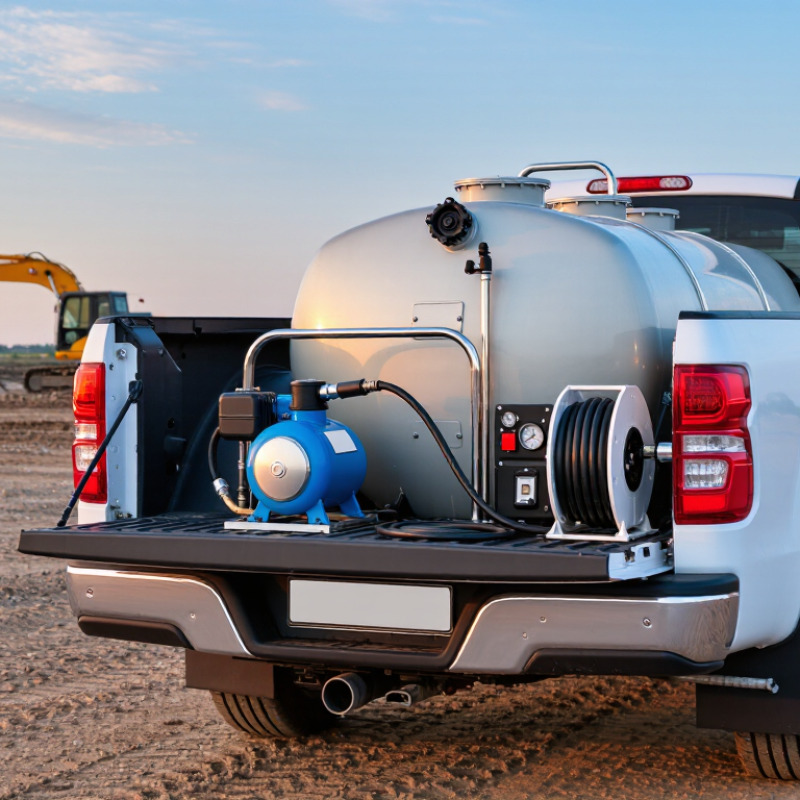
Fuel Transfer Tanks Explained: Capacity, Materials, and UL 142 Requirements
Why Choose a Fuel Transfer Tank With Pump?
A fuel transfer tank with a pump gives operators controlled, convenient refueling at work sites, farms, and service yards. Capacity should match real consumption, not optimistic estimates. A tank that is too small creates frequent trips and pump wear. An oversized tank can increase weight, handling demands, and unused fuel storage. Practical inspections often reveal the same issue: buyers focus on gallons and overlook access, mounting, and hose length.
Materials matter. Coated steel offers strength and impact resistance, while aluminum reduces weight and may suit mobile equipment. The correct choice depends on vibration, weather, corrosion exposure, and transport conditions. A UL 142 tank is designed for aboveground storage of flammable and combustible liquids under specific construction and testing requirements. These requirements can include tank integrity, openings, venting, and emergency relief provisions. UL 142 certification is important, but it does not replace local fire codes, permits, or installation rules. Verify the listing and documentation before purchase.
Tips: Measure the available space before selecting capacity. Check that the pump’s flow rate matches your equipment. Keep the emergency shutoff reachable. Inspect hoses, fittings, vents, and grounding points regularly. Small oversights matter. I would also review the installation after the first month, because real operating conditions often expose assumptions that looked reasonable on paper.
Pump Performance: Flow Rate, Duty Cycle, and Meter Accuracy Benchmarks
A fuel transfer tank with a pump earns its place when transfer speed remains predictable during demanding work.
In field use, flow rate matters more than a large number on a box. A practical benchmark is
10 to 20 gallons per minute
for routine equipment refueling. Hose length, fluid temperature, and filter condition can reduce output. Measure flow at the nozzle, not only at the pump outlet. That difference is easy to miss.
Duty cycle shows whether the pump can work continuously or needs cooling pauses. A unit rated for intermittent service may overheat during repeated tank filling. Check the stated operating pattern, such as
15 minutes running followed by 15 minutes cooling.
Real workloads are messier. Cold mornings, clogged filters, and frequent starts change the result. I record motor temperature, transfer time, and interruptions during trials. My notes are useful, but not perfect.
Meter accuracy deserves equal attention.
For routine dispensing,
±1%
is a strong target;
±2%
may be acceptable when conditions are less controlled. Verify the meter against a certified volume container at several flow rates. Compare the display with the collected volume, then repeat the test. One reading can flatter a weak system. Calibration drift also appears after vibration and seasonal use. Choose a pump with accessible service points, clear specifications, and a test record you can actually review.
Safety Requirements Under OSHA, NFPA 30, and DOT Fuel-Handling Rules
Why Choose a Fuel Transfer Tank With Pump?
A fuel transfer tank with a pump can reduce lifting and uncontrolled pouring. It does not remove regulatory duties. OSHA 29 CFR 1910.106 requires suitable containers, controlled dispensing, ignition-source control, and safe storage for flammable liquids. Select equipment with a reliable shutoff nozzle, grounded connections, and a hose rated for the fuel. Inspect them before every shift. Small leaks matter.
NFPA 30 addresses listed equipment, bonding and grounding, ventilation, spill control, and separation from ignition sources. Its requirements should guide tank placement and dispensing procedures. NFPA reported 1,388,500 fires in the United States during 2023. That number is not fuel-specific, but it shows why ignition control cannot be treated casually. A pump is not a safety license. Operators still need no-smoking controls, trained handling, and a clear response plan for spills.
DOT rules add transport responsibilities. Under 49 CFR Parts 171–180, a tank’s capacity, construction, and transport use may determine packaging, marking, documentation, and inspection requirements. Cargo securement rules in 49 CFR 393.106 also require loads to remain restrained during normal movement. The Bureau of Labor Statistics recorded 1,942 transportation-related workplace fatalities in 2023, representing 36.8% of all fatal work injuries. Fuel tanks are only one part of that risk. In practice, workers often inspect the tank and forget the nozzle. That gap deserves attention.
Why Choose a Fuel Transfer Tank With Pump? — Safety Requirements Under OSHA, NFPA 30, and DOT Fuel-Handling Rules
This comparison shows whether each regulatory framework directly addresses a key fuel-handling topic. A value of 1 means the topic is covered by that framework; it is not a compliance score. OSHA primarily addresses workplace storage and handling, NFPA 30 provides fire-safety requirements for flammable and combustible liquids, and DOT governs hazardous-material transportation, including packaging and marking. Exact requirements depend on fuel type, tank design, capacity, location, and whether the tank is being transported.
Operational Benefits: Spill Reduction, Refueling Speed, and Fuel Control
A fuel transfer tank with an integrated pump changes refueling from a loose-can task into a controlled workflow. The operator connects once, opens the approved valve, and watches the meter. Less handling usually means fewer drips around a truck bed or generator. Small losses still matter.
That matters across busy sites. The U.S. Energy Information Administration reported transportation petroleum consumption near
13.8 million barrels per day in 2023.
Repeated minor leaks can become a serious management problem. The U.S. Environmental Protection Agency’s Spill Prevention, Control, and Countermeasure guidance emphasizes proper transfer procedures, inspections, and containment. A pump cannot replace them.
Speed is the visible gain.
A calibrated electric or hand-operated pump provides steadier flow than lifting cans and using a funnel. Crews spend less time carrying fuel or restarting equipment. Actual savings depend on hose length, pump rate, temperature, and filter condition.
Advertised flow is not working flow.
Control improves too. A meter, shutoff nozzle, lockable cap, and usage log make transfers easier to verify. EPA guidance also stresses inspection and recordkeeping. Poor grounding, overfilling, or an ignored filter can defeat the system. Operators should inspect connections before each shift and investigate unexplained volume differences.