Choosing among industrial vacuum pump suppliers in China requires more than comparing catalog prices. Pump type, ultimate pressure, pumping speed, operating temperature, and gas composition must match the application. A rotary vane pump may suit general packaging, while a dry screw pump can better support clean chemical or food-processing environments. The wrong match creates heat, oil contamination, unstable vacuum, and costly downtime.
Reliable suppliers usually provide more than a polished website. Their factories should explain motor selection, sealing materials, noise control, and maintenance intervals in clear technical language. Detailed drawings, performance curves, inspection records, and testing procedures reveal practical competence. Buyers should also ask whether each unit is tested under realistic conditions, not only checked during final assembly. Small details matter. Check the inlet flange.
This guide examines leading Chinese manufacturers through product range, engineering capability, quality control, export experience, and after-sales support. It also considers how suppliers respond when specifications change or a pump fails in the field. Certifications can support credibility, but they cannot replace consistent workmanship and responsive service. A supplier may offer an attractive price yet lack spare-parts coverage in overseas markets. That weakness deserves attention. No ranking can fit every factory or application, and supplier information can change over time. Careful verification, sample testing, and direct communication remain essential before signing a purchase agreement.
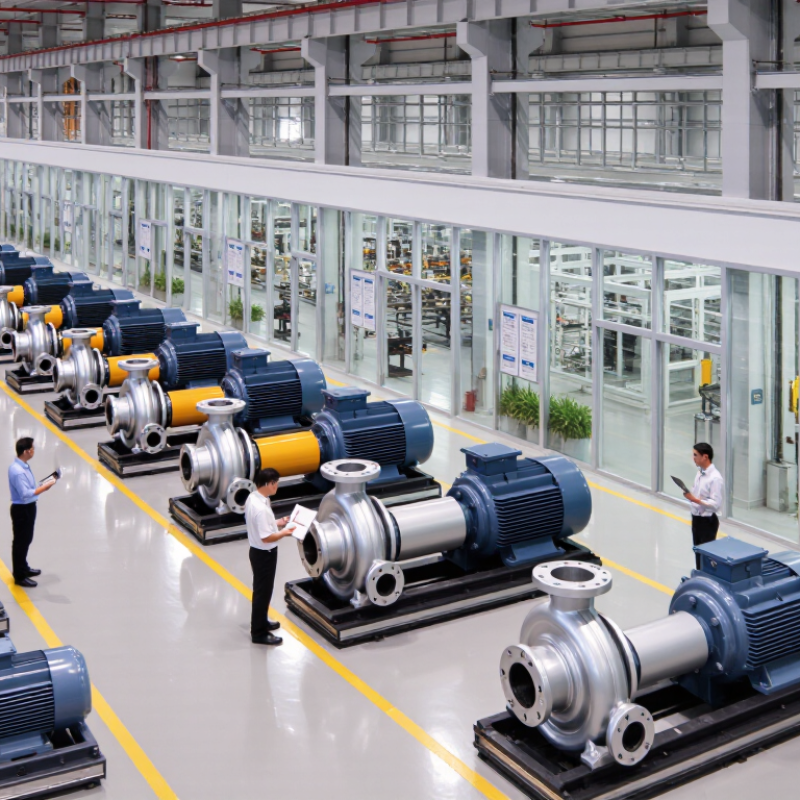
A leading industrial vacuum pump supplier begins with application knowledge, not a standard product list. Engineers should understand chamber volume, target pressure, gas composition, operating temperature, and duty cycle. A pump handling clean packaging air may fail quickly with solvent vapor or fine dust. Details matter. Reliable suppliers recommend suitable technologies, such as dry, oil-sealed, liquid-ring, or screw pumps, based on actual process conditions.
Manufacturing discipline is equally important. Buyers should look for traceable materials, controlled assembly, calibrated instruments, and documented factory testing. Performance data should show ultimate vacuum, pumping speed, power consumption, noise, and temperature limits. Ask for proof. A serious supplier can explain test methods and provide inspection records without hiding behind vague specifications. Clear manuals, spare-parts planning, and responsive commissioning support also reveal practical experience.
Strong suppliers continue helping after shipment. They can guide installation, check pipe sizing, and train maintenance teams to identify abnormal vibration, oil discoloration, or rising exhaust temperature. Service response should be measurable, not merely promised. No supplier gets every application right. Even experienced engineers may revise a recommendation after seeing real dust loads or unexpected moisture. That willingness to review assumptions builds trust. Buyers should compare lifecycle cost, not only the purchase price, because energy use, maintenance intervals, downtime, and operator safety often determine the pump’s true value.
Comparing China’s industrial vacuum pump manufacturers requires more than checking catalog prices. Start with the operating conditions: target vacuum level, pumping speed, gas composition, temperature, and daily running hours. A pump handling dusty powder needs different protection from one serving a clean packaging line. Ask for performance curves, noise data, energy consumption, and recommended maintenance intervals.
Factory experience matters. Review production records, inspection procedures, and previous applications in similar industries. A reliable supplier should explain rotor balancing, material selection, sealing methods, and motor protection without vague promises. Request a witnessed factory test when the project is critical. Check whether the supplier can provide spare parts, installation guidance, remote support, and clear warranty terms. Certifications are useful, but they do not replace practical evidence.
Tips: Compare identical specifications, not attractive headline figures. Ask whether the quoted vacuum level is absolute or gauge pressure. Confirm performance at your actual altitude and gas load. A low price may hide weak service or shorter component life. I have found that supplier communication often reveals more than a polished brochure. Still, no comparison is perfect; request samples, references, and written test conditions before selecting equipment.
| Comparison Dimension | China Manufacturer Market Reference | Common Industrial Pump Options | Why It Matters | Recommended Verification |
|---|---|---|---|---|
| Pump Technology | Positive-displacement pumps are widely available for general industrial vacuum applications. | Oil-sealed rotary vane, dry screw, liquid ring, roots booster, diaphragm, and scroll pumps. | The technology determines achievable vacuum, contamination tolerance, maintenance needs, and operating cost. | Request a technical datasheet showing ultimate pressure, pumping speed, motor rating, and operating limits. |
| Pumping Speed | Commercial industrial models commonly range from below 10 m³/h to several thousand m³/h, depending on pump type and configuration. | Rotary vane: generally low to medium flow; screw and liquid ring: medium to high flow; booster systems: very high flow. | Insufficient pumping speed can increase cycle time and reduce production capacity. | Compare pumping speed at the actual working pressure, not only the nominal free-air displacement. |
| Ultimate Pressure | Oil-sealed rotary vane pumps may reach approximately 0.1–1 Pa; dry screw and multi-stage systems vary by design and may reach below 1 Pa. | Low-vacuum liquid ring pumps; medium-vacuum rotary vane pumps; clean dry-vacuum screw or scroll pumps. | A lower ultimate pressure is not automatically better if the process mainly needs high throughput or vapor handling. | Check whether the stated value is measured with a blanked inlet, and confirm the measurement standard used. |
| Working Pressure Range | Many industrial vacuum systems operate from atmospheric pressure down to the pump-specific working limit. | Single pumps, booster combinations, and staged systems are selected according to the pressure profile. | The pump must remain stable during evacuation, continuous operation, and pressure fluctuations. | Ask for a pumping-speed curve covering the complete operating range. |
| Oil Management | Oil-sealed units require scheduled oil inspection and replacement; dry pumps avoid process oil but may require seal or bearing service. | Oil-sealed rotary vane, dry screw, dry scroll, and oil-free diaphragm configurations. | Oil carryover can contaminate products, while oil-free designs may have higher purchase or maintenance costs. | Review oil-mist filtration, exhaust cleanliness, lubricant specifications, and replacement intervals. |
| Vapor and Dust Handling | Liquid ring pumps tolerate wet gas well; screw pumps can be configured for vapor handling; particulate protection is normally required. | Liquid ring, dry screw, rotary vane with gas ballast, and systems equipped with inlet filters or condensers. | Moisture and solids can cause corrosion, loss of performance, overheating, or premature wear. | Provide the supplier with gas composition, vapor load, dust concentration, temperature, and operating cycle. |
| Energy Consumption | Motor power commonly spans roughly 0.25 kW to several hundred kilowatts across industrial pump sizes. | Fixed-speed motors, variable-frequency-drive systems, and centralized vacuum packages. | Electricity can represent a significant portion of total ownership cost during continuous operation. | Compare power consumption at the same pressure, flow, duty cycle, and inlet conditions. |
| Noise and Vibration | Noise varies substantially by technology, speed, enclosure, and installation; sound levels are often specified in dB(A). | Direct-drive pumps, belt-driven pumps, acoustic enclosures, and skid-mounted systems. | Lower noise and vibration improve workplace conditions and protect connected equipment. | Request tested noise data, vibration limits, foundation requirements, and installation drawings. |
| Materials and Corrosion Resistance | Cast iron, carbon steel, stainless steel, aluminum, and coated components are used according to the process medium. | Standard industrial construction or upgraded wetted parts for corrosive or chemically active gases. | Material selection directly affects service life and maintenance frequency. | Confirm wetted-part materials, coating type, elastomer compatibility, and corrosion test information. |
| Quality and Compliance Documentation | Export-oriented manufacturers commonly provide factory test reports, inspection records, manuals, and conformity documents when specified. | Quality plans, pressure or leakage tests, electrical documentation, and inspection certificates. | Documented quality control reduces commissioning risk and supports regulatory approval. | Verify applicable ISO 9001 certification, CE requirements, electrical standards, and traceability records. |
| After-Sales Support | Support levels differ by supplier; spare-parts availability and remote commissioning are important purchasing criteria. | Replacement kits, troubleshooting guides, remote support, field service, and operator training. | Fast access to consumables and technical assistance can reduce unplanned downtime. | Obtain warranty terms, response times, spare-parts lists, service coverage, and escalation procedures in writing. |
| Total Cost of Ownership | Purchase price should be evaluated together with electricity, oil, filters, seals, scheduled maintenance, installation, and downtime. | Lowest initial price, balanced-cost configuration, or premium efficiency package. | A lower purchase price may result in higher operating and maintenance expenses. | Calculate a three- to five-year cost model using the same operating hours and process conditions. |
Chinese industrial vacuum pump suppliers now offer a broad technology mix, not only conventional oil-sealed units. Rotary vane pumps remain common for packaging, drying, and general factory service. Dry screw and dry claw pumps suit cleaner production because they avoid oil contact. Liquid-ring pumps handle humid gases and vapor-heavy processes. Diaphragm pumps serve laboratories and light chemical-duty applications, while Roots boosters increase throughput in demanding vacuum systems.
For higher vacuum levels, suppliers also provide turbomolecular pumps, diffusion pumps, and matched backing pumps. Their selection reflects rising process demands. Grand View Research valued the global vacuum pumps market at about USD 6.2 billion in 2023 and forecasts a 7% annual growth rate through 2030. Market estimates differ because some reports exclude accessories and service contracts. That difference deserves attention. Energy performance also matters; the U.S. Department of Energy identifies vacuum systems as significant industrial energy users, especially when leakage and poor controls persist.
Tips: Ask for ultimate pressure, pumping speed, vapor tolerance, noise, and annual operating cost. Request test data under your actual gas load. A pump can meet a catalogue specification yet fail beside a hot, wet process. Oil-free technology is not automatically better; maintenance skill, filtration, and duty cycle still decide reliability. Shortlist suppliers that provide commissioning records, replacement-part lead times, and ISO-aligned quality documentation. One overlooked detail is local service response. A cheaper pump may become expensive during an unplanned shutdown.
China’s industrial vacuum pump suppliers serve a wide range of demanding industries. Semiconductor and electronics factories use vacuum systems during coating, drying, packaging, and chamber evacuation. Solar panel manufacturers also depend on stable vacuum performance for cell production. Small pressure changes can affect yield, especially in cleanroom operations.
Food processors use vacuum pumps for freeze-drying, sealing, lifting, and gentle product handling. Pharmaceutical plants need oil-free or carefully filtered systems for controlled production environments. Chemical companies select pumps that resist corrosive vapors and maintain reliable operation under changing loads. Metallurgy, plastics, woodworking, and industrial packaging also rely on vacuum equipment. A factory may need different pump types across one production line. That detail is often overlooked. In practice, energy use, noise, cooling, and maintenance access matter as much as maximum vacuum.
Tips: Match the pump material to the process gas. Check ultimate pressure, flow rate, duty cycle, and filtration requirements. Ask suppliers for test data, service records, spare-part availability, and installation guidance. Site experience matters. A technically impressive pump can still perform poorly when piping is undersized or condensate enters the system. Buyers should verify applicable safety and environmental requirements before installation. I would also request a trial assessment, because real operating conditions rarely match a catalogue perfectly.
Choosing among China’s top industrial vacuum pump suppliers requires more than comparing catalog prices. MarketsandMarkets estimates the global vacuum pump market will grow from about US$2.3 billion in 2023 to US$3.0 billion by 2028. This growth increases supplier choices, but also increases quality differences. Request factory test records for ultimate pressure, pumping speed, leakage, vibration, noise, and oil carryover. A reliable supplier should provide calibrated instruments and repeatable results. Ask for the test method, not only the final number.
Customization should begin with operating details. Share gas composition, temperature, dust load, duty cycle, inlet size, and required vacuum level. Good engineering teams may recommend material changes, cooling upgrades, filtration, or control integration. They should issue clear drawings and a written acceptance standard. FAT testing is useful before shipment. It exposes problems early. I would not accept “customized” as a vague promise.
After-sales support often separates a strong supplier from a cheap one. Deloitte’s 2023 industrial service research indicates that predictive maintenance can reduce machine downtime significantly, though results vary by equipment and data quality. Therefore, ask about remote diagnostics, response time, spare-parts availability, commissioning, and technician coverage. Verify ISO 9001 certification, traceability, warranty exclusions, and service records from similar applications. A practical weakness remains: some suppliers communicate quickly before payment, then respond slowly after installation. Test this behavior with technical questions and a small pilot order.